

What if the most powerful magic you've ever encountered doesn't come from crystals, candles, or elaborate rituals: but from something as simple as a chicken bone sitting in your kitchen trash?
Most people walk past bones every day, discarding them without a second thought. But in the rich tradition of Hoodoo, these seemingly ordinary objects pulse with ancestral wisdom, spiritual power, and the raw energy of life itself. We're not talking about Hollywood horror movie props or dusty museum displays. We're talking about living, breathing repositories of magic that have guided practitioners for generations.
The truth about bones in Hoodoo might surprise you. Where once they were dismissed as primitive superstition, now they're being recognized as sophisticated spiritual tools that connect us to animal spirits, divine guidance, and the eternal cycles that govern our existence.
The Hidden Power Living in Plain Sight
Every bone tells a story. When you hold a chicken wing bone in your palm, you're not just touching calcium and phosphate: you're connecting with the essence of flight, the spirit of freedom, and the creature's journey from earth to sky. This isn't poetic metaphor; it's the foundational principle that makes bone work so potent in Hoodoo practice.
Bones carry the energetic signature of their former inhabitants long after the flesh has departed. They become vessels for the animal's characteristics, experiences, and spiritual essence. A rabbit's foot doesn't just symbolize luck: it embodies the rabbit's speed, agility, and survival instincts. A black cat bone doesn't merely represent mystery: it channels the feline's intuition, independence, and otherworldly awareness.
The most legendary bone in all of Hoodoo is the black cat bone, and its story reveals everything you need to know about how bones function in spiritual work. This isn't just any bone from any black cat: it's the specific bone that allows the cat to turn invisible, discovered through a ritual process that connects the practitioner directly to the animal's spiritual power. Once obtained, this bone grants its holder the ability to become invisible to enemies, attract good fortune, and command respect wherever they go.
When Bones Become Oracles: The Art of Divination
Picture this: A grandmother sits cross-legged on her porch, a collection of chicken bones scattered across a faded cloth map. Her weathered hands move with practiced precision, reading the patterns like others read books. This is bone divination in its purest form: ancient wisdom disguised as simple country folk practice.
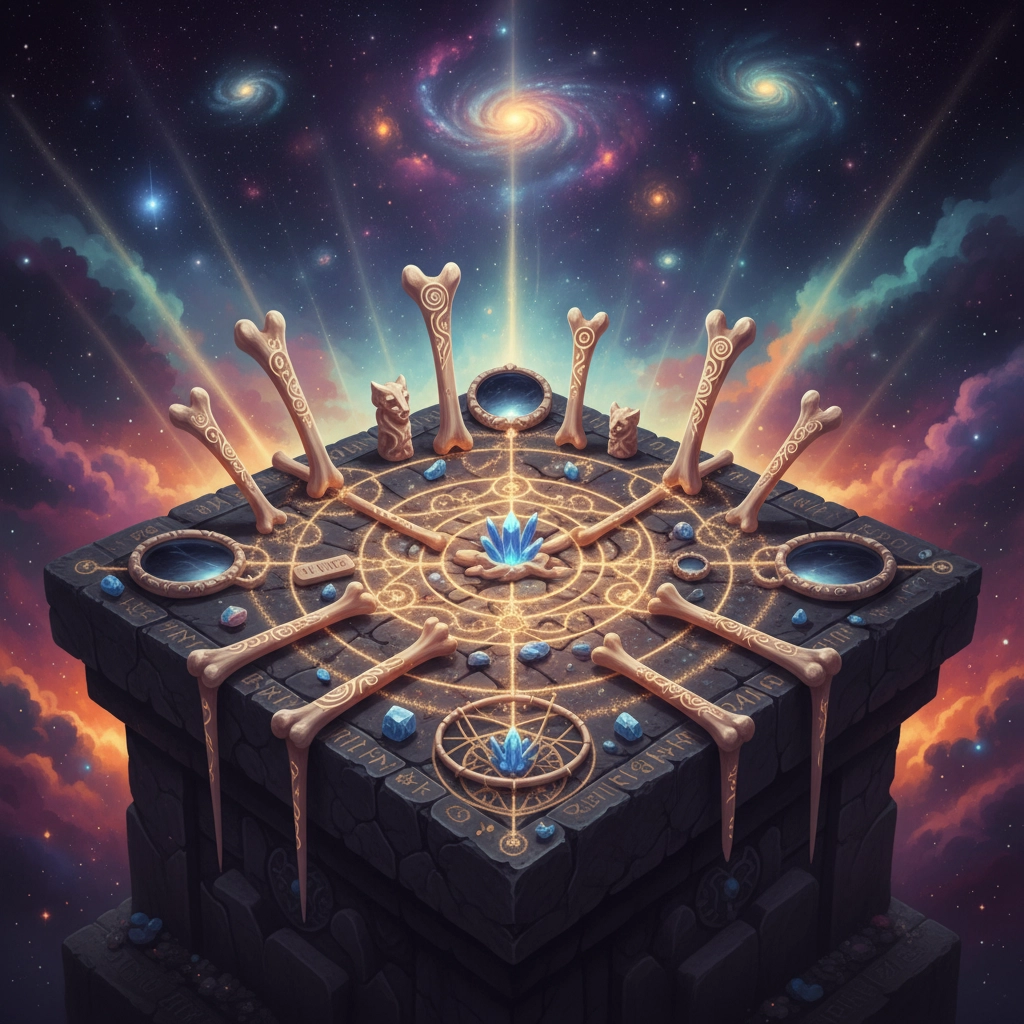
The bones speak in a language older than written words. When tossed onto a reading cloth, each bone carries specific meanings: the wing bone reveals travel and movement, the breast bone speaks of matters of the heart, the thigh bone addresses strength and foundation. But the magic isn't just in what each bone represents: it's in how they relate to each other when they fall.
Crossed bones amplify the message. Bones pointing in cardinal directions call on elemental powers. A bone that lands standing upright demands immediate attention, while bones that cluster together suggest interconnected influences at work in the querent's life.
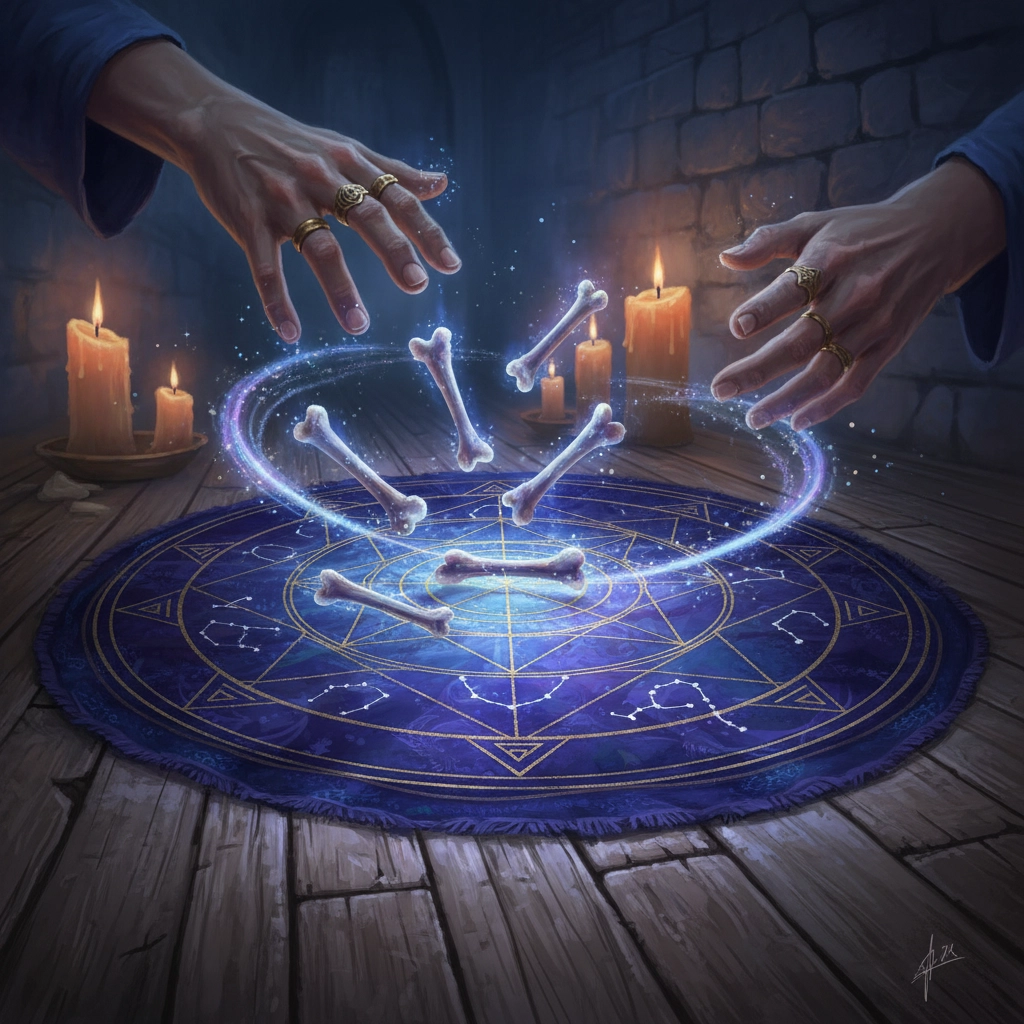
The reading cloth itself becomes a sacred space, often made from animal hide or fabric marked with symbolic representations. Some practitioners use actual maps, allowing the bones to fall on geographic locations that provide additional layers of meaning. The intersection of bone symbolism with physical location creates a divination system that's both deeply personal and surprisingly accurate.
Sacred Vessels: How Bones House Animal Spirits
Here's where bone work gets truly profound: bones don't just represent animal energy: they can actually house animal spirits as permanent familiars. When a practitioner develops a relationship with a specific animal spirit, the bone becomes that spirit's earthly home, requiring the same respect and care you'd show a beloved friend's dwelling.
This isn't about collecting bones like trophies. It's about creating sacred partnerships that honor both the animal's sacrifice and its continued spiritual presence. The bone becomes a communication device, allowing regular conversation with the animal spirit. Practitioners offer tobacco, food, or other gifts to maintain these relationships, understanding that the spirit's assistance comes through mutual respect and ongoing reciprocity.
Different bones serve different spiritual functions based on the animal's natural characteristics. Predator bones connect you with hunting energy and protective instincts. Prey animal bones offer heightened intuition and evasion abilities. Bird bones open pathways to higher wisdom and expanded perspective. Each partnership brings unique gifts and responsibilities.
The Transformation Toolkit: Bones in Ritual Practice
The versatility of bones in Hoodoo practice extends far beyond divination and spirit housing. They serve as components in complex spellwork, tools for energy direction, and focal points for meditation and prayer. The key lies in understanding that bones are transformers: they take spiritual energy and channel it into specific outcomes.
In protection work, bones create powerful barriers against negative energy. Placed at the four corners of property, they establish spiritual boundaries that unwelcome forces cannot cross. Carried in mojo bags, they deflect harm while attracting beneficial opportunities. The bone's connection to life and death makes it particularly effective for work involving major life transitions or spiritual transformations.
For healing practices, bones facilitate the flow of vital energy between practitioner and client. The bone's mineral structure acts as a conductor, amplifying and directing healing intentions. Practitioners often warm bones in their hands before healing sessions, allowing the bone to absorb their energy and intentions before transferring that power to the person receiving treatment.
Creating Sacred Tools: The Art of Bone Preparation
Not every bone is ready for spiritual work straight from the source. The process of preparing bones for magical use involves both physical cleaning and spiritual consecration, transforming ordinary remains into sacred implements.
The physical preparation begins with thorough cleaning: removing all traces of flesh, fat, and marrow. Some practitioners bury bones in earth for a full lunar cycle, allowing natural decomposition to complete the cleansing process. Others use enzyme solutions or simple soap and water, depending on the bone's intended use and the practitioner's personal preferences.
Spiritual preparation involves more complex considerations. The bone must be blessed, charged with intention, and often decorated with symbols meaningful to the practitioner's spiritual path. Red ochre, a sacred pigment used by indigenous cultures worldwide, frequently adorns bones intended for protection work. Carved symbols might represent specific spirits, intentions, or the practitioner's spiritual lineage.
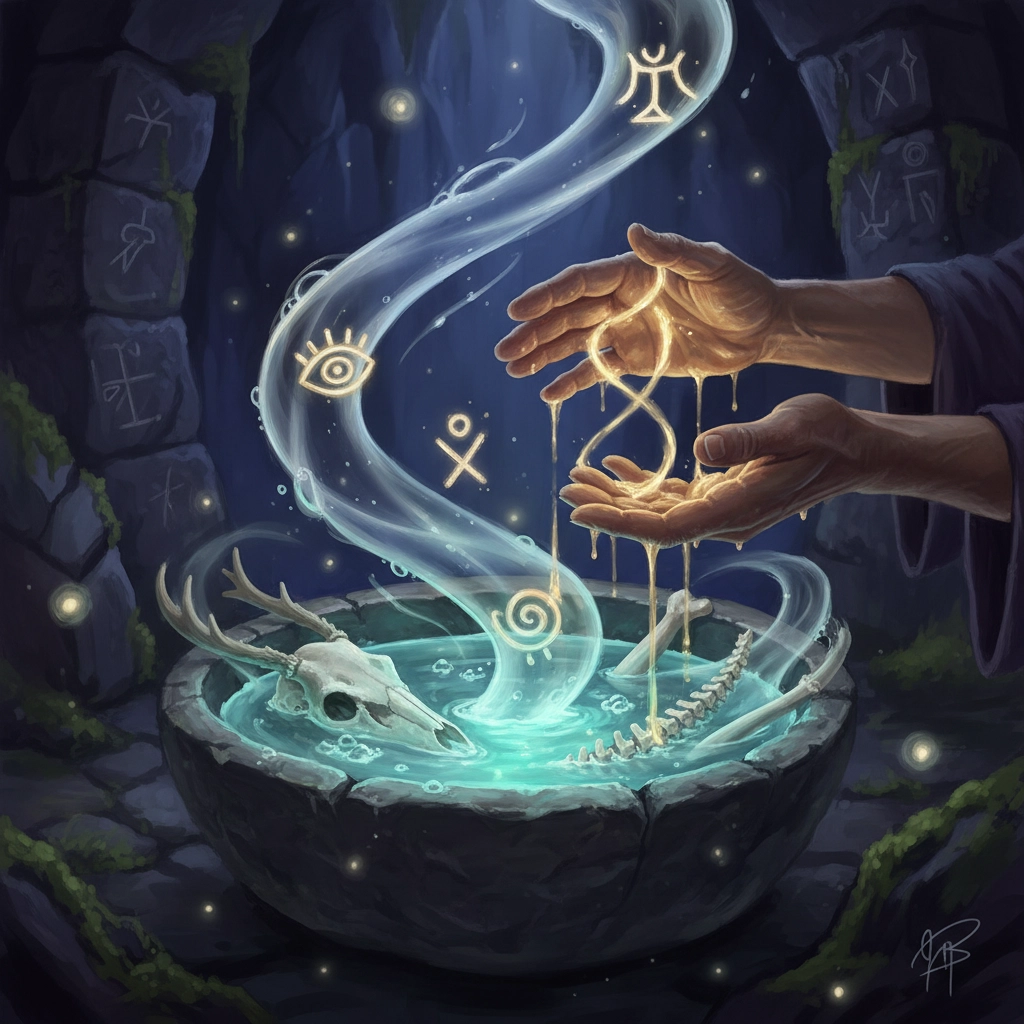
Large bones from animals like cattle, pigs, or turkeys can be carved into wands, divination tools, or altar pieces. The smooth surface of prepared bone accepts carving beautifully, allowing practitioners to create personalized tools that reflect their unique spiritual journey. These carved bones often become family heirlooms, passed down through generations of practitioners along with the knowledge of how to use them.
The Living Tradition: Bones in Modern Practice
The use of bones in Hoodoo isn't a relic of the past: it's a living tradition that continues to evolve with contemporary practitioners. Modern bone workers blend traditional techniques with innovative approaches, creating new applications while maintaining respect for ancestral wisdom.
Urban practitioners might work with bones from farmers' markets or ethnic grocery stores, blessing commercial animal products before incorporating them into spiritual practice. Rural practitioners often maintain relationships with hunters or livestock farmers, ensuring access to fresh bones with known provenance. The source matters less than the intention and respect brought to the practice.
Some contemporary practitioners focus on ethical considerations, working only with bones from animals that died naturally or were raised humanely for food. Others emphasize the spiritual relationships formed with animal spirits, regardless of how the physical bone was obtained. These discussions reflect the tradition's continued vitality and adaptation to modern ethical frameworks.
The internet has created new communities of bone workers who share techniques, offer guidance to beginners, and preserve traditional knowledge that might otherwise be lost. Social media platforms showcase beautiful examples of bone art and divination setups, inspiring newcomers while maintaining connection to established traditions.
Your Journey with Bones Begins Now
Understanding bones in Hoodoo isn't about memorizing correspondences or collecting exotic specimens: it's about developing relationships with the natural world that transform both your spiritual practice and your daily life. Every meal that includes meat offers potential magical materials. Every walk through nature presents opportunities to connect with animal spirits through the remains they leave behind.
The bones are waiting to tell their stories. The animal spirits are ready to share their wisdom. The only question remaining is whether you're prepared to listen with the respect and attention these powerful allies deserve.
The tradition continues through practitioners who honor both ancient wisdom and contemporary insights. The bones connect us to cycles of life, death, and rebirth that existed long before humans walked the earth and will continue long after we're gone.
In Hoodoo, bones aren't endings: they're beginnings. They're bridges between worlds, teachers disguised as debris, and powerful allies hiding in plain sight. The magic has always been there, waiting for someone with eyes to see and hands willing to work.

