

What happens when America's birthday collides with one of its most misunderstood spiritual traditions? The intersection of Independence Day and Hoodoo practice reveals a complex tapestry of resistance, survival, and hidden meanings that most people never consider.
When fireworks light up the sky each July 4th, millions of Americans celebrate freedom, but for practitioners of Hoodoo, this date carries layers of meaning that run much deeper than backyard barbecues and patriotic parades. The spiritual tradition born from the crucible of slavery holds its own relationship with American independence, one that's both profound and largely undocumented.
The Silence in the Sources
Here's where we hit our first fascinating mystery: despite extensive research into Hoodoo traditions and folklore, specific customs tied to the 4th of July remain largely unrecorded in mainstream sources. This absence itself tells a story.
Hoodoo developed as an African American spiritual tradition during slavery, emerging from the fusion of West African spiritual systems, Caribbean practices, and survival strategies forged in the American South. Often called "rootwork," this tradition encompasses herbal medicine, charms, spirit communication, and divination, all practices that enslaved people used to maintain spiritual identity while navigating brutal circumstances.
But here's the thing about oral traditions: they don't always make it into academic papers or published collections. The most potent practices, the ones carrying the deepest cultural significance, often remain within communities, passed down through whispers and lived experience rather than written records.
Freedom's Complicated Legacy
Think about it from the perspective of enslaved ancestors: July 4th, 1776, declared independence for white colonists while leaving millions in bondage. The contradiction wasn't lost on those who would later develop Hoodoo as a system of spiritual resistance.
Frederick Douglass famously asked, "What to the Slave Is the Fourth of July?" His 1852 speech captured this tension: "Your celebration is a sham; your boasted liberty, an unholy license." This sentiment likely influenced how spiritual practitioners approached America's birthday, not with celebration, but with recognition of ongoing struggle.
In Hoodoo tradition, practitioners work with the concept of turning situations around, of finding power in seemingly powerless positions. The 4th of July could represent not just American independence, but the ongoing work of spiritual liberation that continues beyond legal freedom.
Miss Mary Mack: More Than a Children's Game?
Now let's talk about Miss Mary Mack: that seemingly innocent children's hand-clapping rhyme that echoes through playgrounds across America:
Miss Mary Mack, Mack, Mack
All dressed in black, black, black
With silver buttons, buttons, buttons
All down her back, back, back
Most people dismiss this as simple playground entertainment, but dig deeper and patterns emerge that hint at something more complex. The repetition of words three times: a common feature in many African spiritual traditions. The specific imagery of black clothing with silver buttons. The rhythm that seems designed for more than child's play.
In West African traditions that influenced Hoodoo, repetition serves spiritual purposes. Three repetitions invoke power, create emphasis, and establish connection with spiritual forces. The hand-clapping itself mirrors percussive traditions that accompany spiritual work.
Could Miss Mary Mack be a coded spiritual teaching disguised as a children's game? Without documented evidence, we can't make definitive claims, but the possibility opens fascinating questions about how spiritual traditions survive by hiding in plain sight.
The Art of Spiritual Camouflage
Hoodoo masters understood survival required subtlety. Spiritual practices had to appear harmless to suspicious eyes while maintaining their power for those who understood. Children's games, work songs, and seemingly secular customs became vessels for preserving sacred knowledge.
This tradition of spiritual camouflage extended to holidays and celebrations. What appeared to outside observers as simple participation in American culture often carried deeper meanings for spiritual practitioners. July 4th celebrations could serve as cover for community gatherings where real spiritual work happened away from prying eyes.
The date itself holds numerological significance in many traditions: the 7th month, the 4th day, creating combinations that resonate with spiritual mathematics. In Hoodoo practice, numbers carry power, and specific dates become times for particular types of spiritual work.
Hidden Histories, Living Traditions
What we're really talking about here is the genius of cultural preservation under oppression. Hoodoo didn't just survive slavery and Jim Crow: it thrived by becoming invisible to those who would destroy it.
The absence of recorded July 4th customs doesn't mean they don't exist. It might mean they're still protected, still practiced, still passed down through channels that academic research can't easily access. Some knowledge remains intentionally hidden, preserved within communities that understand its value.
This is particularly true for traditions that developed around American holidays. Where mainstream culture sees celebration, spiritual practitioners might see opportunity: for protection work, for community building, for honoring ancestors who never lived to see legal freedom.
The Rhythm of Resistance
Miss Mary Mack's hand-clapping rhythm shares DNA with percussion traditions that cross continents and centuries. From West African drumming to Caribbean spiritual practices to American work songs, rhythm carries cultural information that words alone cannot preserve.
When children clap to Miss Mary Mack, they're participating in something that might reach back through generations of cultural memory. The silver buttons "all down her back" could represent protection symbols. The black dress might signify mourning for those lost to slavery while silver suggests hope and spiritual power.
These interpretations remain speculative, but they point to how spiritual traditions embed themselves in seemingly secular practices. The playground becomes a place of cultural transmission where ancient rhythms survive in modern forms.
Questions Without Easy Answers
The truth about Hoodoo customs related to July 4th and the spiritual significance of Miss Mary Mack remains partially hidden: and maybe that's exactly as it should be. Not every mystery needs solving by outsiders. Not every tradition needs academic validation to hold power.
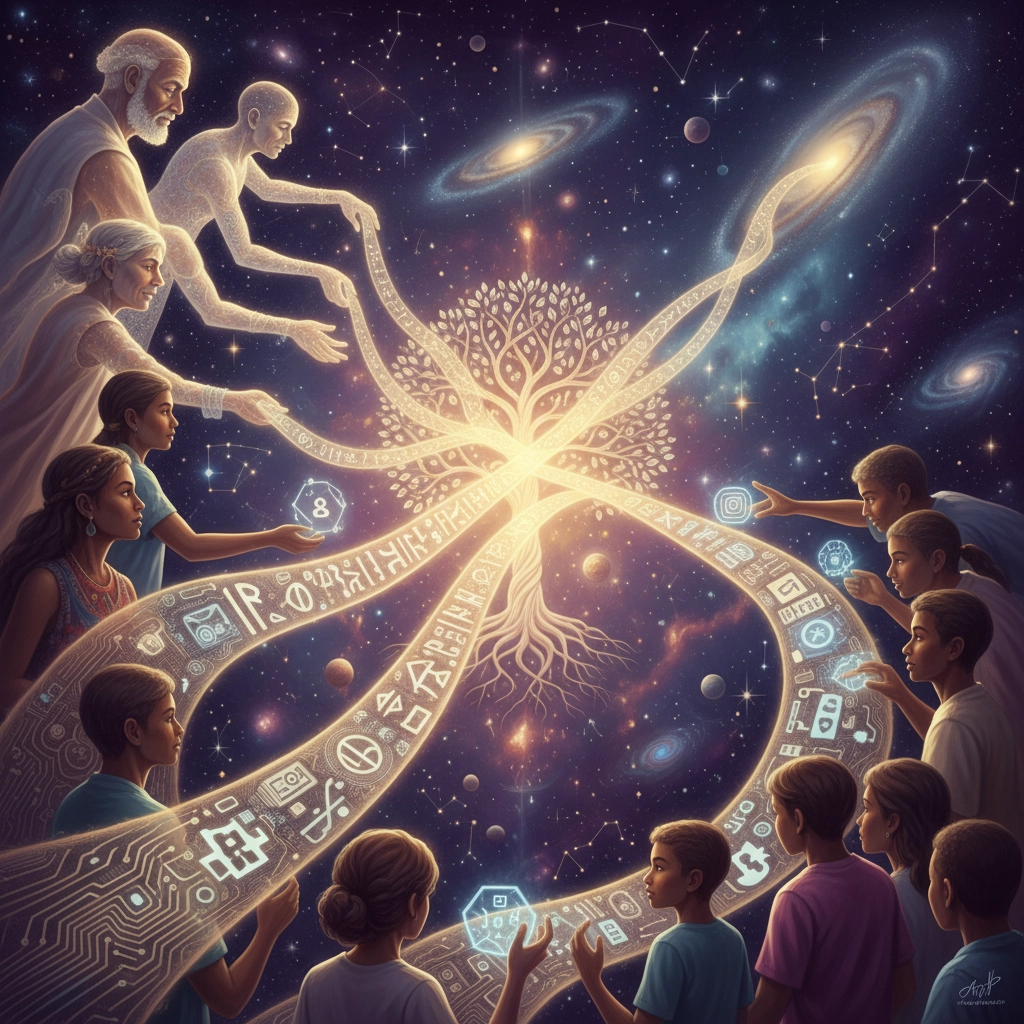
What we can say is this: Hoodoo represents one of America's most sophisticated systems of spiritual resistance. It transformed oppression into opportunity, created power from powerlessness, and preserved African spiritual wisdom under impossible circumstances.
Whether or not specific July 4th customs exist in Hoodoo practice, the date certainly carries significance for a tradition born from the contradiction between American ideals and American realities. The ongoing work of spiritual liberation continues every day, not just on designated holidays.
The Living Mystery
Perhaps the most Hoodoo-like aspect of this entire exploration is how it defies easy categorization. Like the tradition itself, the connections between Independence Day and rootwork remain partially hidden, partially revealed, inviting deeper investigation while protecting essential mysteries.
Miss Mary Mack continues to be clapped and sung by children who have no idea they might be preserving something ancient. July 4th continues to mean different things to different communities, carrying layers of significance that go far beyond fireworks and flag-waving.
The absence of documented information doesn't diminish the possibility of deeper connections. Sometimes the most profound spiritual work happens in spaces that resist documentation, in practices that survive precisely because they remain protected from outside scrutiny.
This is the genius of traditions that developed under oppression: they learned to hide in plain sight, to preserve the sacred within the seemingly ordinary, to keep ancient wisdom alive through methods that appear innocent to those who would destroy them.
The mystery continues, and perhaps that's exactly where it belongs: alive, protected, and practiced by those who understand its true value.

