

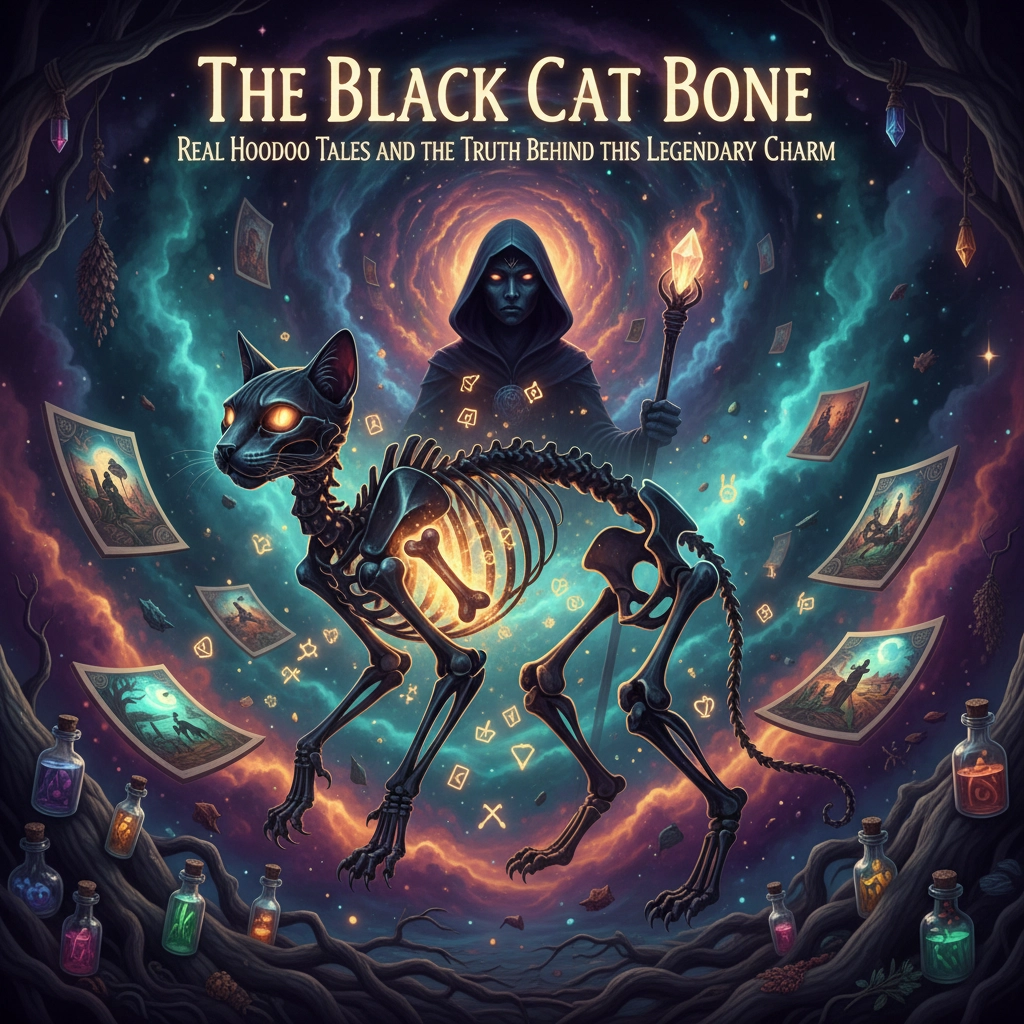
Picture this: It's midnight in the Mississippi Delta, 1926. A blues musician stands by a creek, holding a small, dark object that could change his destiny forever. In his trembling hands lies what practitioners call the most powerful charm in all of American folk magic: a black cat bone. But here's what most people don't know about this legendary talisman: the real stories are far stranger than the myths.
You've probably heard whispers about black cat bones in old blues songs or late-night conversations about hoodoo. Maybe you've dismissed them as superstition. But what if I told you that this single bone represents one of the most fascinating intersections of African, European, and Native American magical traditions? What if the truth behind these tales reveals something profound about how cultures blend, survive, and create new forms of power?
What Exactly Makes a Black Cat Bone So Special?
The black cat bone isn't just any bone: it's the one bone from a black cat that supposedly contains all the animal's magical essence concentrated into a single, potent charm. We're talking about invisibility, protection from evil, irresistible romantic magnetism, and the ability to grant musicians fame (though some say that fame comes with a deadly price).
But here's where it gets interesting: this isn't just an African American tradition. Researchers have found nearly identical practices among German-Canadian communities who had zero contact with Southern hoodoo practitioners. This suggests the black cat bone tradition has deep European roots, possibly connecting to ancient grimoire magic and charms like the infamous Hand of Glory.
The convergence isn't coincidental: it's cultural alchemy at its finest. When enslaved Africans arrived in America, they didn't abandon their spiritual practices. Instead, they masterfully wove them together with European folk magic, Native American wisdom, and Christian symbolism to create something entirely new: hoodoo, a uniquely American system of folk magic that's still thriving today.
The Midnight Ritual: How Does One Actually Obtain This Legendary Bone?
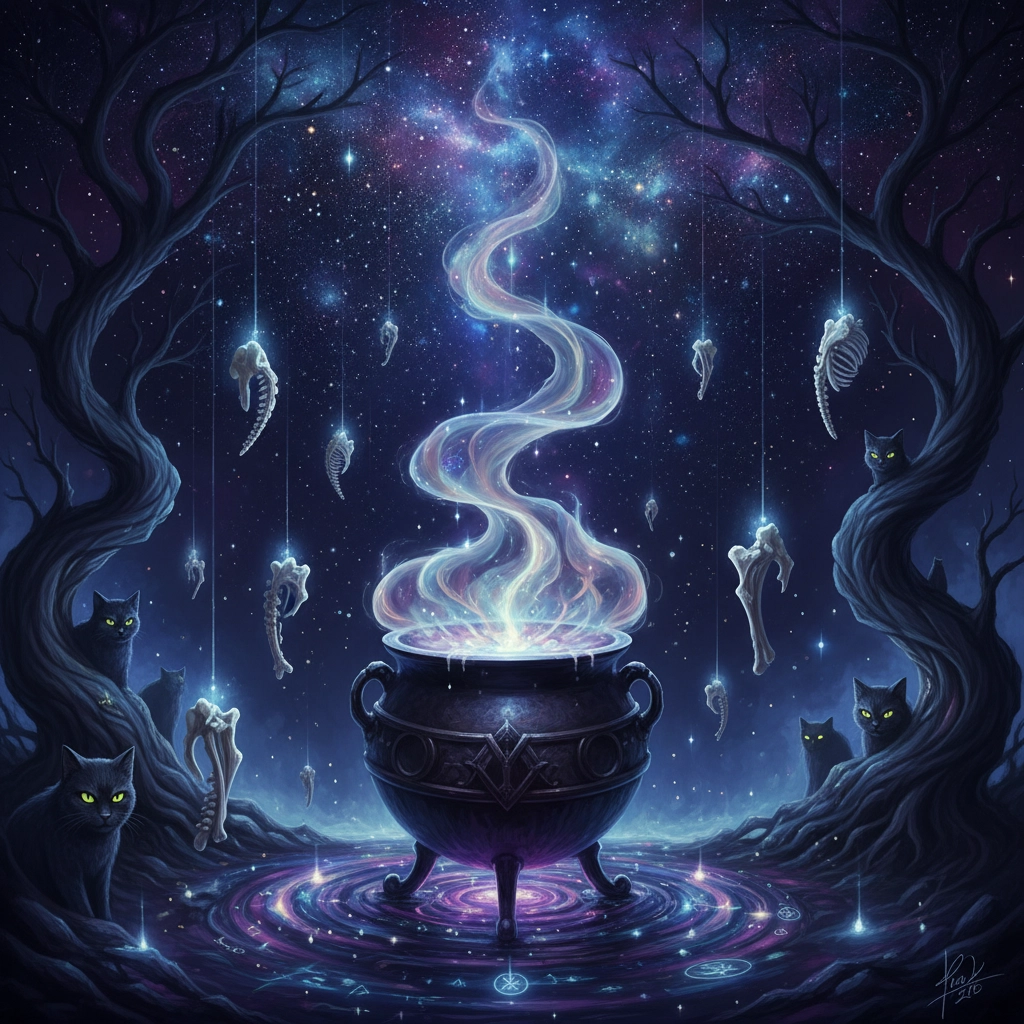
Hold onto your hat, because the traditional methods for obtaining a black cat bone are as varied as they are intense. The process almost always begins the same way: catching a black cat at midnight and boiling it alive in a pot of water. But here's where the paths diverge into fascinating territory.
The Taste Test Method: Documented by the brilliant folklorist Zora Neale Hurston, this technique requires fasting before the ritual. After boiling, you taste each individual bone. The first one that tastes bitter? That's your magical bone. Imagine the dedication required for this level of commitment to the craft.
The Mirror Revelation: Some practitioners use mirrors to identify the correct bone. When you hold each bone up to a mirror, the magical one will either appear dark in the reflection or, according to Sea Island tradition, won't reflect at all. The bone that defies normal physics reveals itself as the vessel of power.
The Floating Bone Method: Perhaps the most poetic approach involves throwing all the bones into a flowing river or creek. The bone that floats upstream, literally defying the current: is your prize. Some variations look for the bone that simply floats while others sink.
These aren't random practices. They trace back to European magical texts like the Book of Saint Cyprian, showing how Old World grimoire traditions merged seamlessly with New World folk magic to birth distinctly American spiritual practices.
But What Powers Does This Bone Actually Possess?
The black cat bone's reputation centers on abilities that sound like they're straight out of a fantasy novel. Invisibility tops the list: practitioners claim the bone can make you unseen when you need to move undetected. Then there's romantic magnetism: carrying the bone supposedly makes you irresistible to lovers and can draw a wandering partner back home.
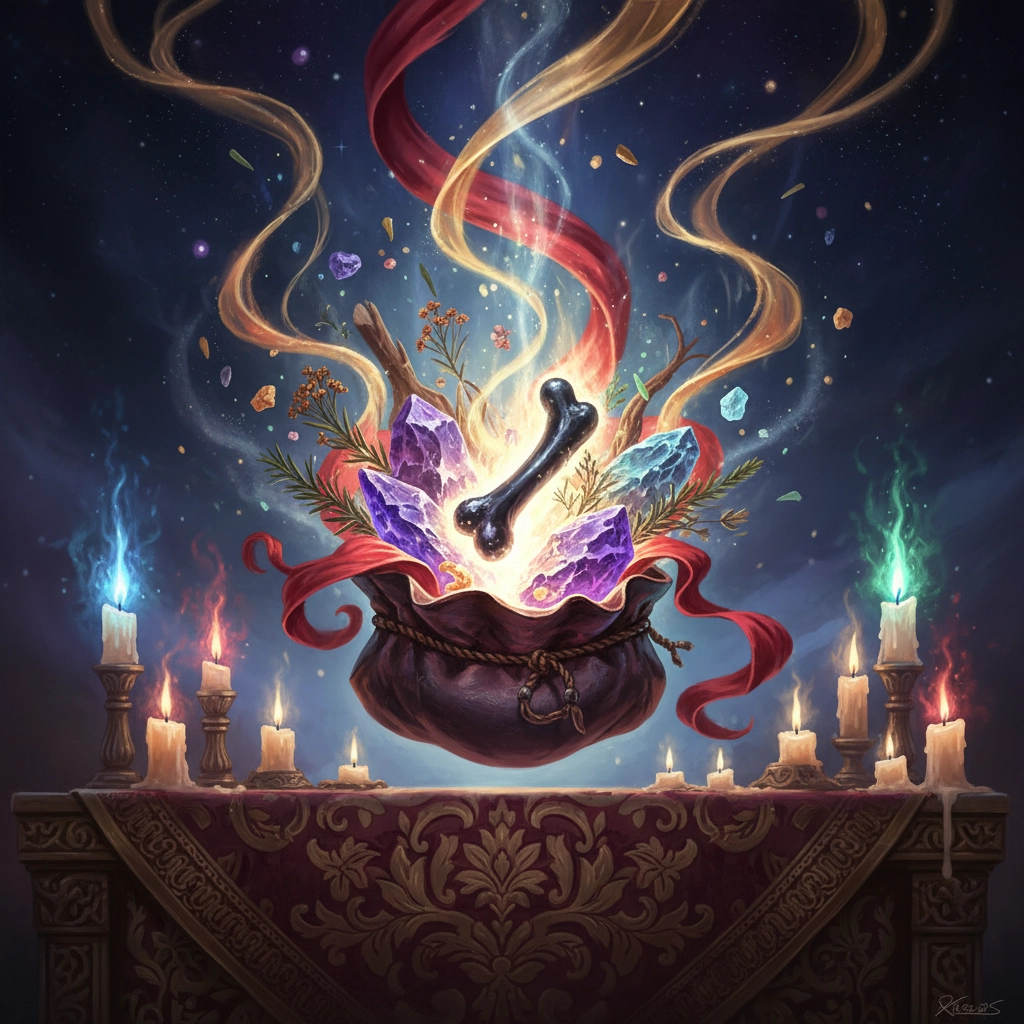
Many hoodoo workers carry their black cat bone in a mojo bag (also called a Mojo Hand or Gris-Gris bag), sometimes anointing it with Van Van oil. Others hold it directly in their mouth, believing direct contact amplifies its power. The bone is also said to bring good fortune, confound enemies, and provide protection against malevolent magic.
But here's where the story takes a darker turn, especially in musical circles. The black cat bone carries a sinister reputation among blues musicians: it's said to grant fame at the cost of an untimely death. This belief became so embedded in blues mythology that it shaped an entire genre's relationship with supernatural power and the price of success.
The Blues Connection: When Music Meets Magic
The black cat bone achieved legendary status through its prominent place in blues music, becoming shorthand for supernatural influence and forbidden knowledge. When Muddy Waters belted out Willie Dixon's "Hoochie Coochie Man" in 1954, he listed the black cat bone first among charms guaranteed to make "pretty girls lead me by the hand."
But not all references were about romantic conquest. Blind Lemon Jefferson's 1926 song "Broke And Hungry" tells a different tale: "I believe my good gal have found my black cat bone / I can leave Sunday mornin' Monday mornin' I'm tippin' 'round home." Here, Jefferson suggests his girlfriend has turned his own charm against him, using it to keep him tethered despite his attempts to leave.
The legendary Albert Collins performed his rendition of "Black Cat Bone" just months before his death, singing about how his woman had put a hex on him. These weren't just songs: they were testimonials to lived experiences with folk magic, whether real or imagined.
The phrase became so deeply embedded in blues language that musicians used "black cat bone" as shorthand for any kind of powerful mojo or supernatural influence. Even Robert Johnson, whose mythology involves selling his soul at a crossroads, referenced the power of such charms in his haunting melodies.
The Real Truth Behind the Legend
So what's the actual truth about black cat bones? Like most powerful folklore, the reality exists in the spaces between literal fact and symbolic meaning. The various methods for obtaining and identifying the magical bone reveal how oral traditions evolve and adapt as they pass through different communities and generations.
The black cat bone functioned as both a literal object in hoodoo practice and a powerful metaphor in blues music for supernatural influence, romantic control, and the dangerous allure of power. Whether practitioners actually carried these bones or whether they existed primarily in song and story, the black cat bone became a potent symbol of American folk magic.

Here's what makes this tradition so fascinating: it represents the incredible creativity of marginalized communities finding ways to maintain spiritual power in hostile circumstances. When your traditional practices are forbidden or suppressed, you adapt. You blend. You create new forms of the old wisdom.
Why These Tales Still Matter Today
The black cat bone stories aren't just historical curiosities: they're living testimonies to cultural resilience and the human need for agency over our circumstances. In a world where people often feel powerless against larger forces, folk magic traditions offer a sense of personal empowerment and connection to ancestral wisdom.
These traditions also remind us that American spirituality isn't a monolith. It's a rich tapestry woven from countless cultural threads, each bringing its own wisdom and practices to the collective experience. The black cat bone represents this beautiful complexity: African divination meeting European grimoire magic, Native American plant wisdom intersecting with Christian prayer traditions.
Whether you believe in the literal power of the black cat bone or appreciate it as cultural mythology, these stories carry important truths about survival, adaptation, and the enduring human desire to shape our destiny through spiritual practice.
The legacy of the black cat bone lives on not just in museum displays or academic papers, but in the ongoing practice of hoodoo, the continuing evolution of American folk magic, and the recognition that our ancestors' wisdom: however unusual it might seem: deserves respect and understanding rather than dismissal.
These aren't just old stories gathering dust. They're breathing, living traditions that continue to offer meaning, power, and connection to those who seek them out. The magic, whether literal or metaphorical, remains very much alive.

