

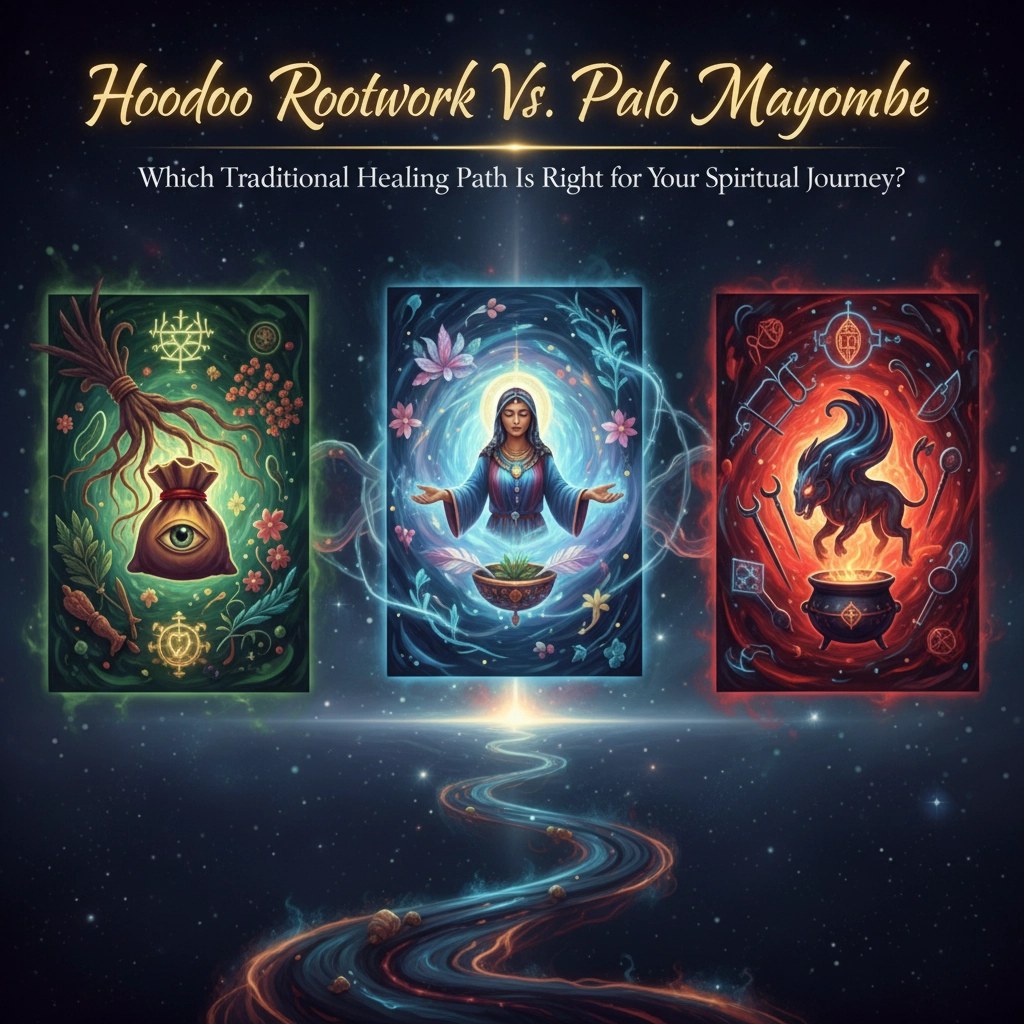
What if everything you thought you knew about spiritual healing was just scratching the surface?
In a world saturated with sanitized New Age practices and commercialized spirituality, three ancient traditions stand like mighty trees with roots that reach deep into the earth of authentic power. Hoodoo Rootwork, Curanderismo, and Palo Mayombe aren't just healing modalities: they're living, breathing repositories of ancestral wisdom that have survived colonization, persecution, and cultural erasure.
But here's the thing that might surprise you: choosing the right path isn't about picking the most exotic-sounding practice or the one with the prettiest altars. It's about finding the tradition that speaks to your soul's deepest calling and respects the sacred responsibility that comes with real spiritual power.
The Crossroads Where Ancient Power Meets Modern Seeking
Many people believe that all spiritual traditions are essentially the same: interchangeable tools in some cosmic toolbox. This couldn't be further from the truth. Each of these paths carries distinct cultural DNA, specific methodologies, and unique relationships with the spirit world that have been refined over centuries of practice.
We're not just talking about different flavors of the same spiritual ice cream here. We're exploring three completely different ecosystems of power, each with its own language, its own guardians, and its own way of transforming human consciousness.
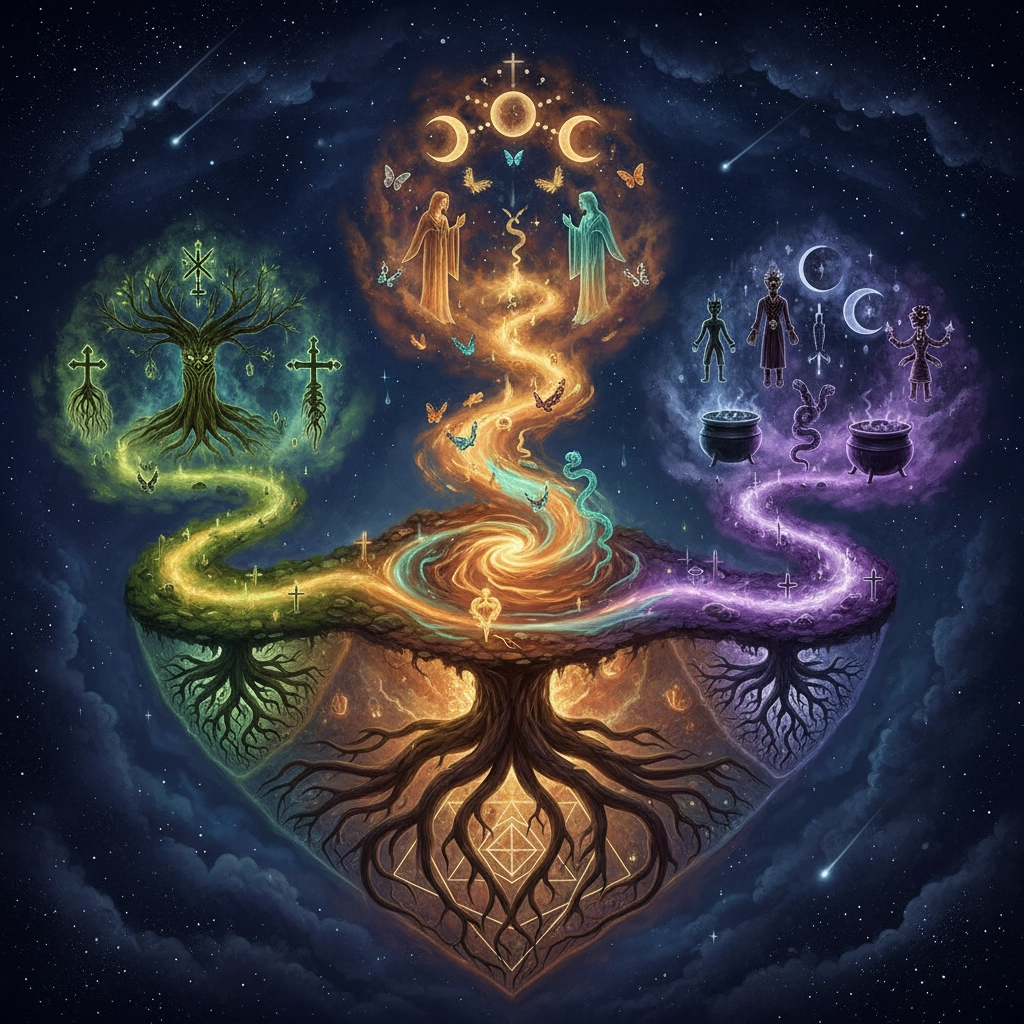
Hoodoo Rootwork: The Alchemy of Survival and Sovereignty
Born in the crucible of American slavery, Hoodoo emerged when enslaved Africans refused to let their spiritual power be broken. They took their ancestral knowledge and wove it together with Native American plant wisdom and European folk magic, creating something entirely new: a tradition of fierce independence and personal empowerment.
What makes Hoodoo different from everything else you've encountered?
Hoodoo doesn't ask you to worship anything or anyone. It's not a religion: it's a technology of transformation. Rootworkers understand that you already possess everything you need to change your circumstances. The herbs, roots, candles, and prayers are simply tools to amplify the power that already flows through your veins.
This tradition teaches you to work with what's available, to find magic in the mundane, and to never, ever position yourself as a victim. Whether you're lighting a candle for love, laying down protection work around your home, or calling on your ancestors for guidance, Hoodoo puts the power squarely in your hands.
The beauty of Hoodoo lies in its moral complexity. This isn't a tradition that pretends the world is all light and love. Rootworkers understand that sometimes you need to protect yourself from harmful people, and they're not afraid to do what's necessary. The tradition encompasses both healing and hexing, blessing and binding: because real life requires real tools for real situations.
Curanderismo: The Sacred Medicine of Community and Calling
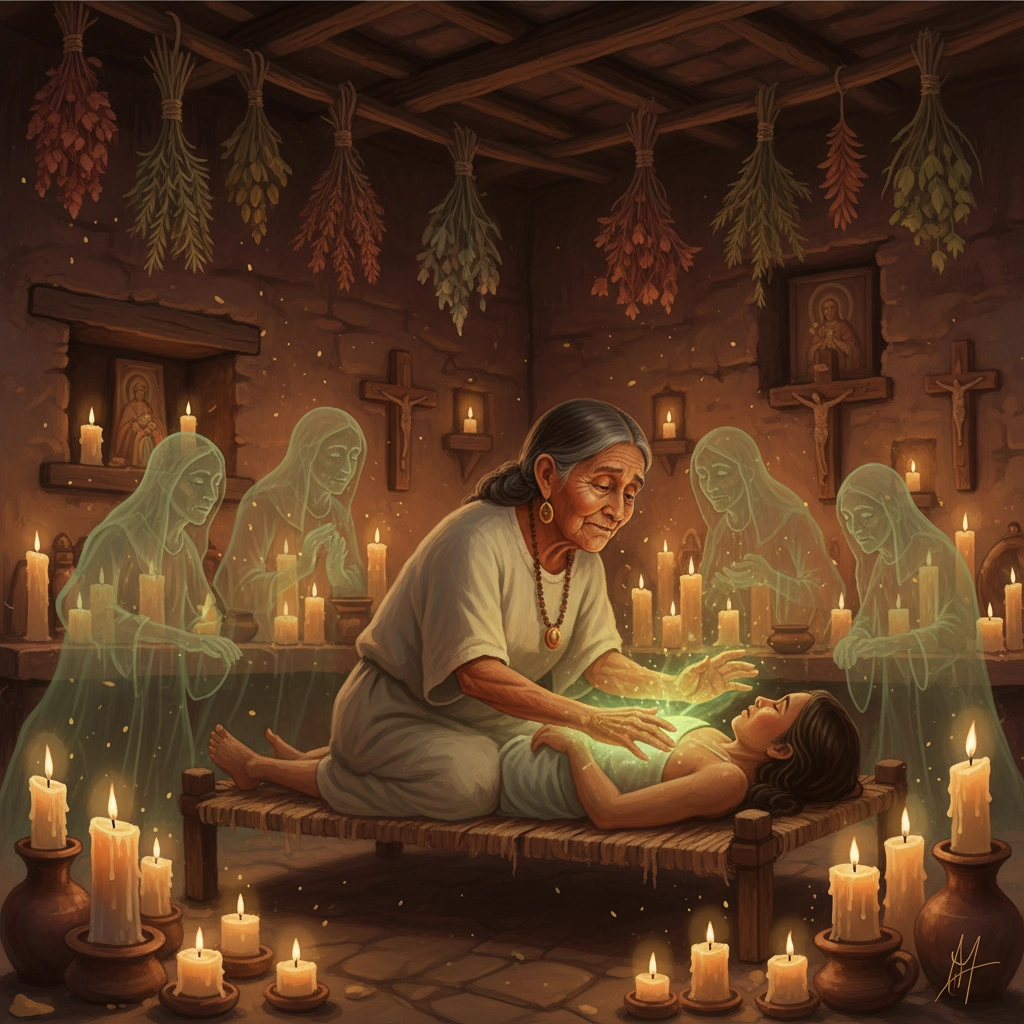
Step into the world of Curanderismo, and you're entering a healing tradition where the boundary between the physical and spiritual dissolves completely. This Mexican practice understands something that modern medicine has forgotten: you cannot heal the body without healing the spirit, and you cannot heal an individual without healing their community.
But here's what sets Curanderismo apart from every weekend workshop you've ever attended:
Curanderos don't become healers because they read a book or took a class. They receive a llamada: a spiritual calling that often comes through dreams, visions, or profound spiritual experiences. This calling is then followed by years of apprenticeship with established practitioners who pass down not just techniques, but the sacred responsibility of being a bridge between worlds.
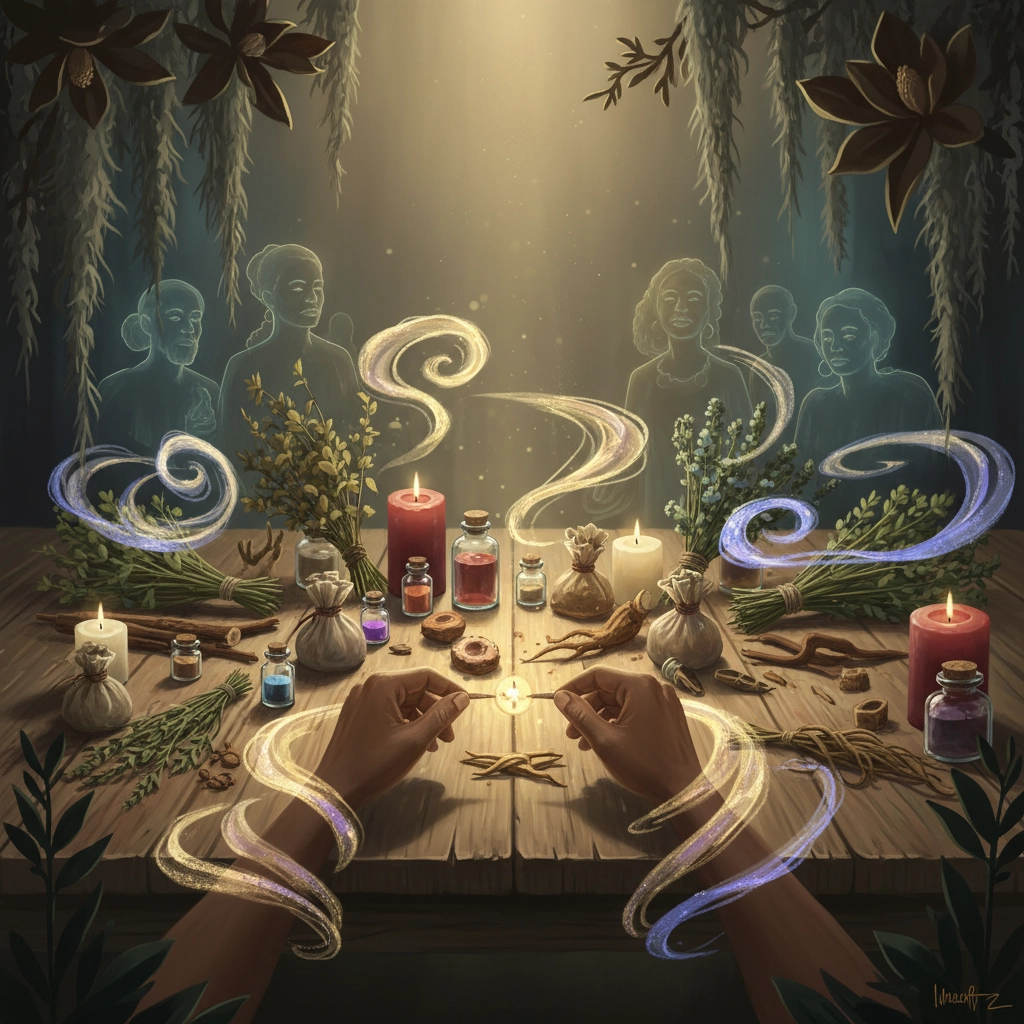
The tradition recognizes four main types of healers: Sobadores who work with the physical body through massage and energy work, Yerberos who are masters of plant medicine, along with bone-setters and faith healers who address spiritual ailments. Each brings a different piece of the healing puzzle, working together to address the whole person.
What makes Curanderismo revolutionary is its understanding of illness causation. While Western medicine looks for bacteria and genetic predispositions, Curanderismo recognizes that illness can come from susto (soul loss due to trauma), mal de ojo (evil eye), or spiritual imbalance. Healers don't just treat symptoms: they restore harmony between the person and their environment, their family, and their spiritual essence.
Palo Mayombe: The Lightning Path of Ancestral Power
Enter Palo Mayombe, and you're walking into the most misunderstood and powerful tradition of them all. This Afro-Cuban practice, born from the spiritual traditions of the Congo Basin, operates on a level of ancestral connection that most people can barely comprehend.
Forget everything you think you know about ancestor work.
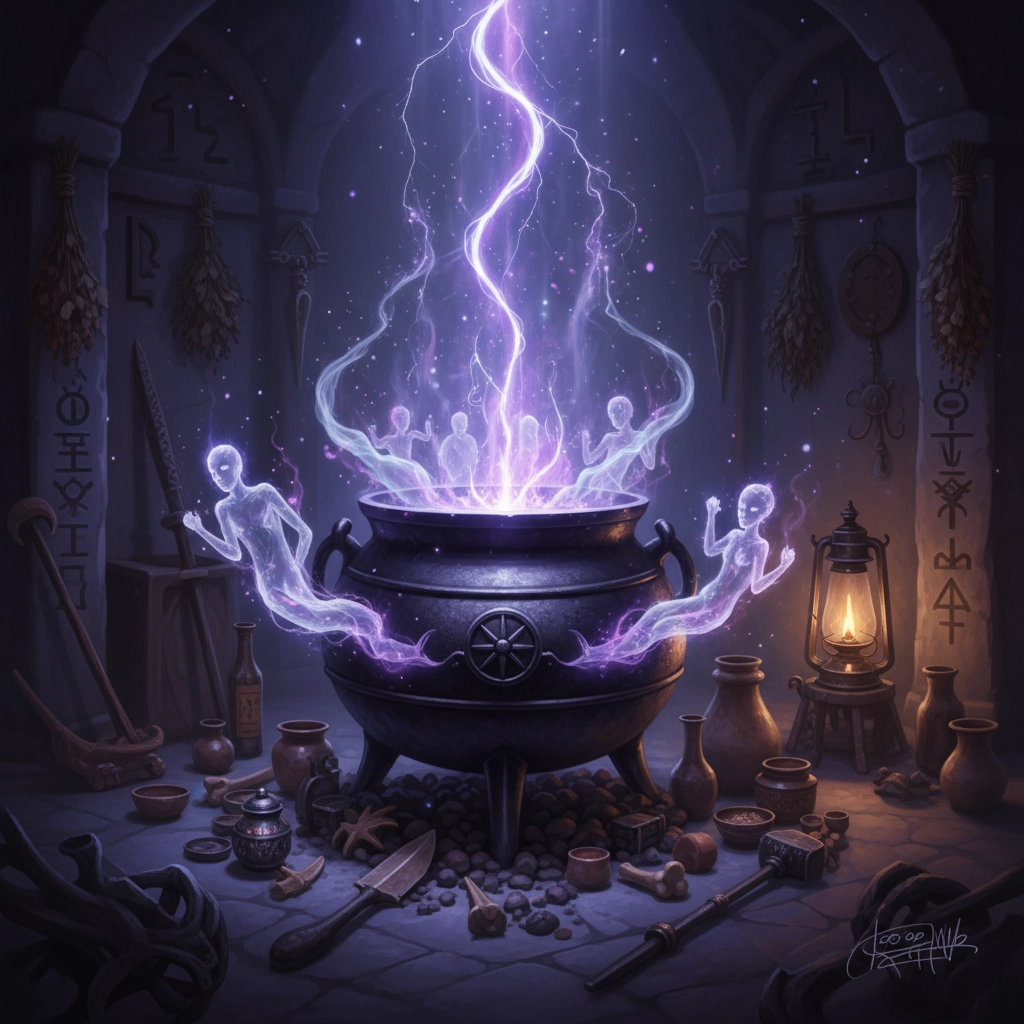
In Palo Mayombe, the ancestors aren't distant, ethereal beings you occasionally light candles for. They are active, present forces who work directly through consecrated vessels called nganga: sacred cauldrons that become homes for specific ancestral spirits. These aren't just symbols or representations: they are living, breathing spiritual technologies that can radically transform your life.
The path of Palo is not for the spiritually timid. This tradition demands complete honesty, unwavering commitment, and the courage to face the shadow aspects of existence. Paleros work with the muertos (spirits of the dead) who have agreed to collaborate in the work of transformation, healing, and justice. The relationship is reciprocal: you feed and care for the spirits, and they provide guidance, protection, and power.
What sets Palo Mayombe apart is its directness. Where other traditions might work through layers of symbolism and ritual complexity, Palo cuts straight to the heart of spiritual power. The Tata or Yaya (priest or priestess) works directly with ancestral forces to address everything from healing and protection to justice work and spiritual development.
The Sacred Geography of Choice: Which Path Calls to Your Spirit?
Here's the truth that no spiritual teacher wants to tell you: not every path is meant for every person.
Each of these traditions carries specific cultural responsibilities and spiritual requirements that go far beyond personal preference. Your choice should be guided not by what looks most appealing from the outside, but by what resonates with your ancestral lineage, your spiritual capacity, and your willingness to honor the tradition's cultural roots.
Choose Hoodoo Rootwork if:
- You value spiritual independence and personal empowerment
- You're drawn to practical magic that addresses real-world concerns
- You want a tradition that doesn't require religious conversion
- You're called to work with African-American ancestral wisdom
- You need tools for both protection and manifestation
Choose Curanderismo if:
- You feel called to heal others as your primary spiritual purpose
- You're willing to undergo years of training with established practitioners
- You understand healing as a community responsibility, not just personal practice
- You're drawn to Mexican or Latin American cultural traditions
- You want to work within a structured apprenticeship system
Choose Palo Mayombe if:
- You're ready for the most direct and demanding ancestral work available
- You're called to work with the spirits of the dead as active partners
- You have the spiritual maturity to handle powerful forces responsibly
- You're committed to lifelong spiritual development and service
- You understand that this path requires complete dedication and sacrifice
Beyond Cultural Tourism: The Sacred Responsibility of Authentic Practice
Let's address the elephant in the room: cultural appropriation.
These traditions aren't spiritual buffets where you can pick and choose elements that appeal to you while ignoring the cultural context and historical struggle that gave them birth. Each path carries the weight of ancestral sacrifice, cultural preservation, and sacred responsibility.
If you're drawn to any of these traditions but don't share their cultural heritage, approach with humility, respect, and a genuine commitment to learning. Seek out authentic teachers, study the history and culture, and understand that you're entering spaces that have been sanctified by the blood, sweat, and prayers of countless ancestors.
The spirits don't care about your spiritual resume or your good intentions. They care about your authenticity, your commitment, and your willingness to serve something larger than yourself.
The Crossroads of Transformation: Your Next Sacred Step
Standing at the crossroads of spiritual choice, you're faced with three paths that each lead to profound transformation: but through completely different landscapes of power and practice.
Hoodoo offers you the keys to personal sovereignty and practical magic. Curanderismo invites you into the sacred role of community healer and bridge between worlds. Palo Mayombe calls you to the lightning path of direct ancestral collaboration.
The question isn't which tradition is "better": it's which one your spirit recognizes as home.
Your spiritual journey isn't a casual exploration or a weekend workshop experience. It's a sacred commitment that will reshape not just your practice, but your entire understanding of power, responsibility, and service. Choose wisely, approach humbly, and remember that authentic spiritual power comes not from accumulating practices, but from surrendering completely to the path that calls your name.
The ancestors are watching. The spirits are listening. And your true spiritual work is waiting to begin.

