


What if everything you thought you knew about spiritual cleansing was just scratching the surface?
While white sage has dominated modern cleansing practices, countless cultures across the Americas, Africa, and beyond have been purifying spaces with their own sacred plants for thousands of years. These traditions didn't wait for Instagram to validate their power: they've been transforming energy, clearing negativity, and connecting communities to the divine long before anyone coined the term "smudging."
The reality is, our obsession with white sage has created both cultural appropriation concerns and environmental damage. But here's the beautiful truth: the world is abundant with cleansing allies, each carrying its own unique medicine and ancestral wisdom.
Why Look Beyond White Sage?
Many people believe white sage is the gold standard for spiritual cleansing, but this narrow focus ignores the rich tapestry of cleansing traditions that span continents and cultures. Indigenous communities have raised concerns about the over-harvesting of white sage, while Afro-Diasporic traditions offer powerful alternatives that have been hiding in plain sight.
We're not just expanding our plant allies: we're honoring the full spectrum of human spiritual innovation.
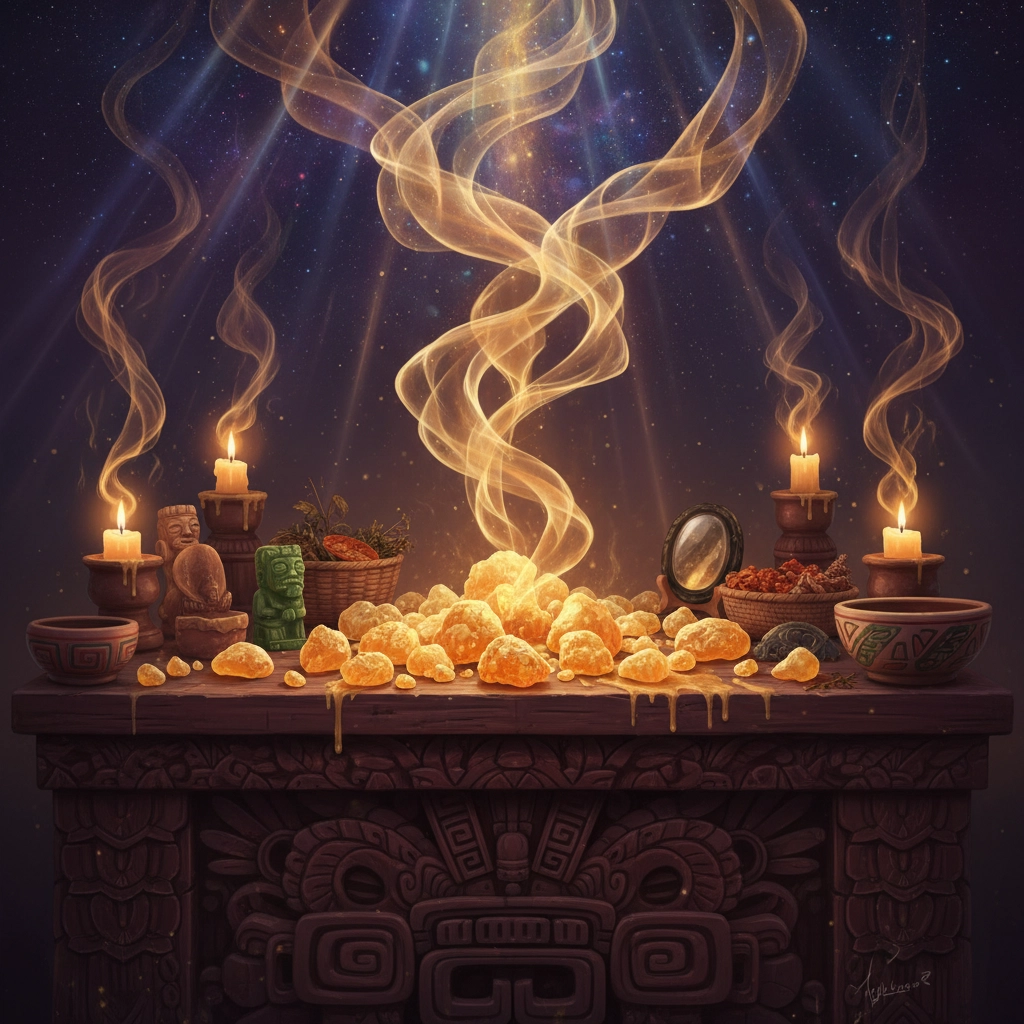
Copal: The Sacred Tears of Ancient Trees
Step into any traditional Mexican or Central American ceremony, and you'll encounter copal: the golden resin that Indigenous peoples call "the food of the gods." This isn't just incense; it's a direct line to ancestral wisdom.
Copal comes from the Bursera tree family and has been used in Mesoamerican spiritual practices for over 1,600 years. When burned, it releases a sweet, pine-like fragrance that Indigenous communities believe carries prayers directly to the spirit world. In modern practices, copal excels at clearing heavy emotional energy and creating sacred space for ritual work.
Unlike sage, which grows as an herb, copal forms naturally as tree resin, making it a sustainable option when sourced responsibly. The smoke is gentle yet powerful, perfect for those sensitive to stronger plant medicines.
Palo Santo: The Holy Wood That Chooses Its Moment
"Holy wood" doesn't just earn its name: it lives up to it. Palo Santo comes from the Bursera graveolens tree native to South America, and here's where it gets mystical: the wood only develops its spiritual properties after the tree dies naturally and lies on the forest floor for 4-10 years.
This sacred wood has been used in Incan and other South American traditions for centuries. When burned, Palo Santo releases a sweet, citrusy smoke that practitioners believe not only clears negative energy but actually raises the vibration of a space. It's particularly powerful for cleansing before meditation, creative work, or any practice requiring mental clarity.
The sustainability factor is built into its very nature: you literally cannot rush or force Palo Santo's creation. This makes it a mindful choice for conscious practitioners.

Rue (Ruda): The Fierce Protector of Afro-Caribbean Traditions
If plants had personalities, rue would be the fierce grandmother who doesn't tolerate nonsense in her house. In Afro-Caribbean spiritual traditions, including Santería, Hoodoo, and folk practices throughout Latin America, rue isn't just a cleanser: it's a spiritual bodyguard.
This Mediterranean herb found its way to the Americas through various cultural exchanges and has become deeply rooted in protective magic. Rue is particularly valued for breaking hexes, removing the evil eye, and creating energetic boundaries. Many practitioners burn dried rue leaves or create spiritual baths with the fresh herb.
The smoke is strong and somewhat bitter, which practitioners interpret as rue doing its job: forcefully ejecting unwanted energies. It's not gentle like lavender; it's the spiritual equivalent of a bouncer clearing the room.
Frankincense: Africa's Royal Gift to Sacred Space
Long before it became associated with Christian traditions, frankincense was the crown jewel of African spiritual practices. This golden resin comes from the Boswellia tree, native to Somalia, Oman, and other parts of East Africa and the Arabian Peninsula.
In traditional African spirituality, frankincense is considered so powerful it can facilitate direct communication with ancestors and divine forces. The smoke is believed to purify not just physical space but the spiritual bodies of those present. Ethiopian Orthodox churches still burn frankincense in elaborate ceremonies that date back centuries.
What makes frankincense unique is its dual nature: it both cleanses and elevates. While sage clears, frankincense transforms the energy of a space into something sacred and elevated. The rich, sweet smoke creates an atmosphere of reverence and connection to the divine.
Cedar: The Indigenous Grandfather Medicine
In Indigenous North American traditions, cedar is known as a grandfather medicine: ancient, wise, and protective. Unlike the aggressive clearing action of sage, cedar works more like a gentle elder, offering protection and calling in positive energies.
Cedar has been used by numerous Indigenous tribes for ceremonial cleansing, with different varieties serving specific purposes. Western Red Cedar, Eastern Red Cedar, and White Cedar each carry their own medicine, but all share the common thread of protection and purification.
The smoke from burning cedar is believed to carry prayers upward while creating a protective barrier around the sacred space. Many practitioners use cedar when they want to maintain positive energy rather than just clear negative energy: it's about calling in the good as much as removing the unwanted.
Sweetgrass: The Hair of Mother Earth
Indigenous communities call sweetgrass "the hair of Mother Earth," and this sacred plant holds a special place in Native American spiritual practices. Unlike the sharp, penetrating energy of sage, sweetgrass offers a gentle, sweet presence that invites positive spirits and energies into cleansed spaces.
Sweetgrass is traditionally braided while still green and then dried for ceremonial use. When burned, it releases a warm, vanilla-like fragrance that's incredibly soothing. In many Indigenous traditions, sweetgrass is used after sage: first you clear with sage, then you invite positive energy in with sweetgrass.
This sequential approach reveals something profound about Indigenous cleansing wisdom: true purification isn't just about removal, it's about replacement. You don't just clear negative energy; you consciously invite in what you want to take its place.
Eucalyptus: Brazil's Energetic Reset Button
In Brazilian spiritual traditions, including Candomblé and Umbanda, eucalyptus holds a special place as a powerful cleanser and healer. This Australian native found its way to Brazil and became deeply integrated into Afro-Brazilian spiritual practices.
Eucalyptus is particularly valued for its ability to break up stagnant energy and promote healing: both physical and spiritual. The strong, mentholated smoke is believed to clear not just negative energy but also illness and energetic blocks that prevent personal growth.
Many practitioners use eucalyptus in spiritual baths or burn the dried leaves to cleanse spaces before important rituals. The sharp, clean scent signals a complete energetic reset, making it perfect for major life transitions or when you need to break free from old patterns.

Creating Your Own Cleansing Practice
These seven alternatives offer you a palette of energetic tools, each with its own personality and purpose. Copal connects you to ancient wisdom, Palo Santo raises vibration, rue provides fierce protection, frankincense elevates consciousness, cedar offers gentle protection, sweetgrass invites positive energy, and eucalyptus creates fresh starts.
The beauty of expanding beyond sage isn't just about having options: it's about matching your tool to your intention. Need gentle clearing? Try cedar. Want to elevate the energy of a space? Reach for frankincense. Dealing with heavy negativity? Rue has your back.
Remember, these aren't just plants: they're allies with their own spirits and medicine. Approach them with respect, learn about their traditional uses, and source them ethically. The goal isn't to appropriate but to appreciate, honoring the cultures that have stewarded this wisdom for generations.
Your cleansing practice becomes more powerful when it's rooted in understanding rather than trend-following. These sacred plants offer you a chance to deepen your spiritual practice while honoring the rich traditions that have kept their medicine alive.
The world is full of allies waiting to support your spiritual journey. All you have to do is expand your vision beyond what everyone else is burning.

