

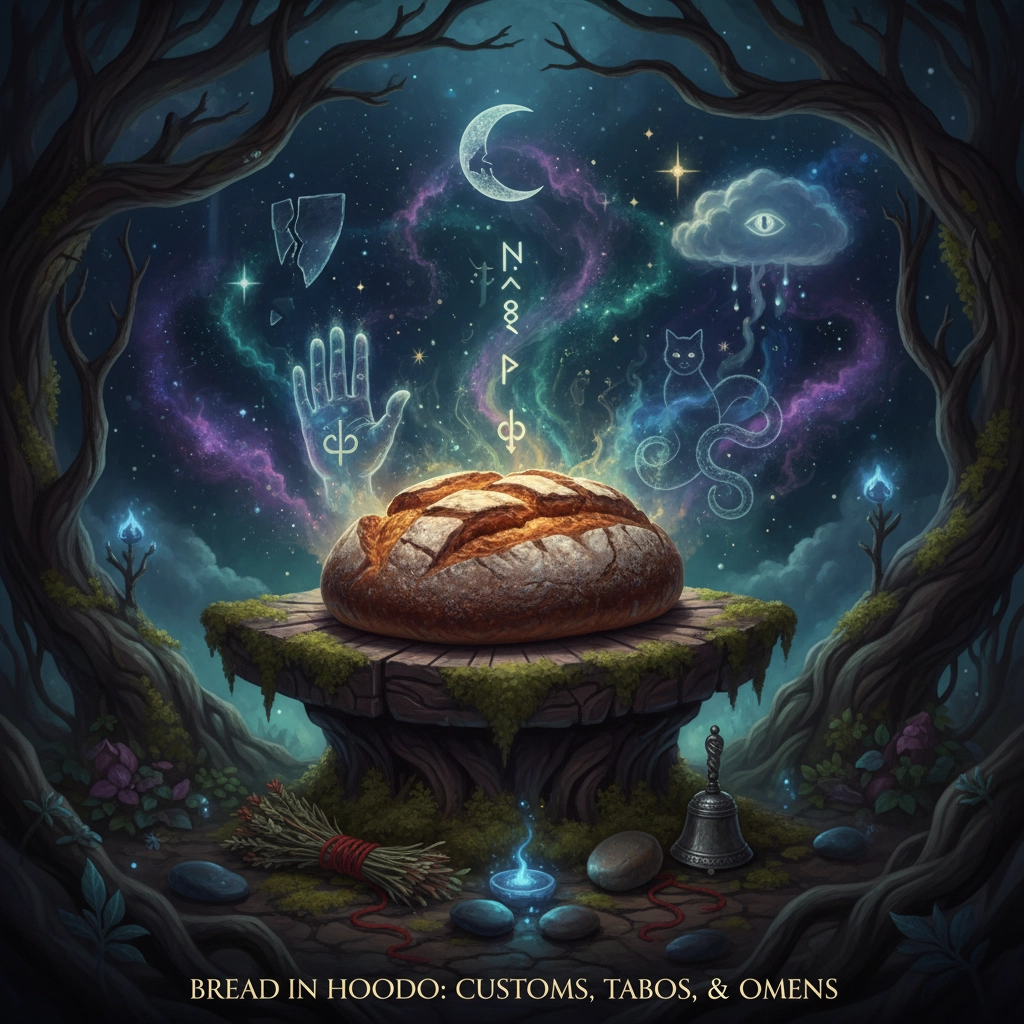
What if the loaf of bread sitting on your kitchen counter holds more spiritual power than you've ever imagined? What if those fingernail clippings you mindlessly toss in the trash could be the key to protection, binding, or breaking free from negative influences?
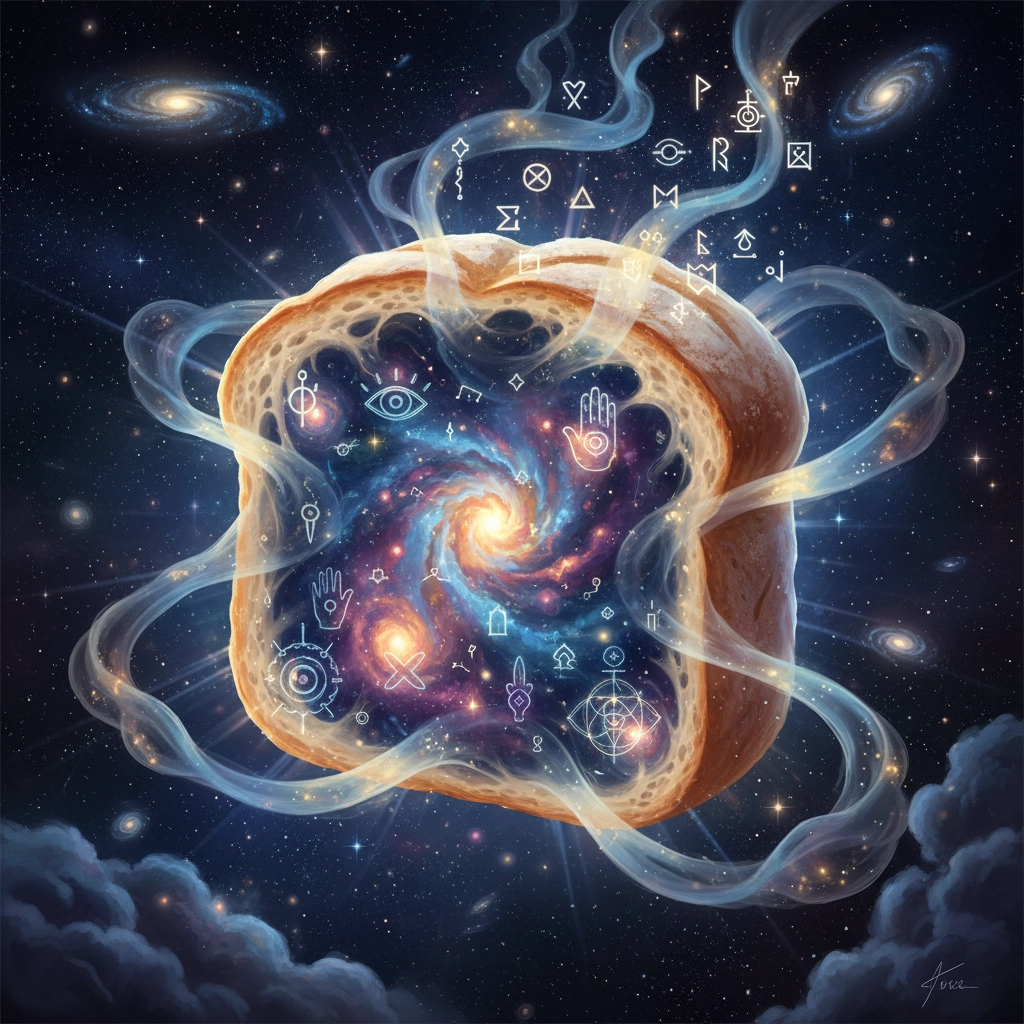
Most people walk past bread every day without a second thought: it's sustenance, comfort food, the foundation of countless meals. But in the world of Hoodoo, that humble loaf transforms into something far more profound: a vessel for ancestral connection, a tool for divination, and a guardian against spiritual harm. The same applies to something as seemingly mundane as fingernails: these personal concerns become powerful instruments in the hands of skilled practitioners.
Welcome to a world where the ordinary becomes extraordinary, where kitchen staples and body clippings serve as bridges between the physical and spiritual realms.
The Sacred Foundation: Understanding Bread's Place in Conjure
Hoodoo emerged from the crucible of African traditions, Native American wisdom, and the survival strategies born from centuries of struggle. Within this rich spiritual framework, bread: particularly cornbread: holds a place of deep reverence and practical power.
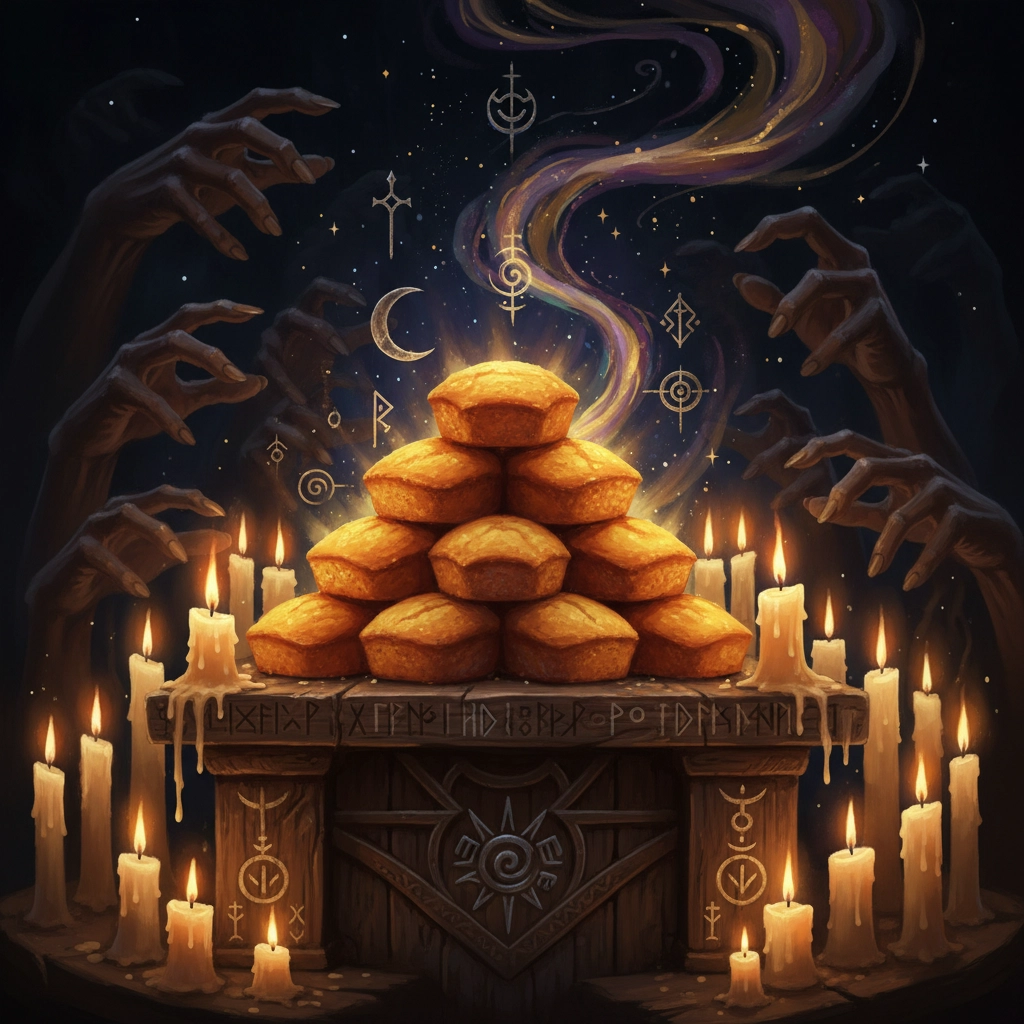
Cornbread isn't just food in Hoodoo practice; it's a direct connection to ancestral memory. This golden, crumbly offering represents our indigenous ancestors and serves as a bridge to honor the Black Indigenous remembered dead. Every kernel of corn carries stories of resilience, survival, and spiritual continuity that stretch back generations.
The significance runs deeper than symbolism. Cornbread offerings create a spiritual exchange: practitioners provide sustenance to the ancestors and spirits, who in return offer protection, guidance, and blessings. This isn't mere superstition; it's a sophisticated understanding of reciprocity that forms the backbone of effective conjure work.
But cornbread isn't the only bread that matters in Hoodoo tradition. Regular bread, with its rising and falling, its transformation from simple ingredients into sustaining nourishment, mirrors the spiritual process of growth, change, and manifestation that practitioners seek to harness.
Ancient Customs That Still Shape Modern Practice
The customs surrounding bread in Hoodoo reflect a deep understanding of spiritual principles that many have forgotten in our rush toward modernity. These practices reveal how our ancestors encoded wisdom into everyday actions, turning routine tasks into sacred rituals.
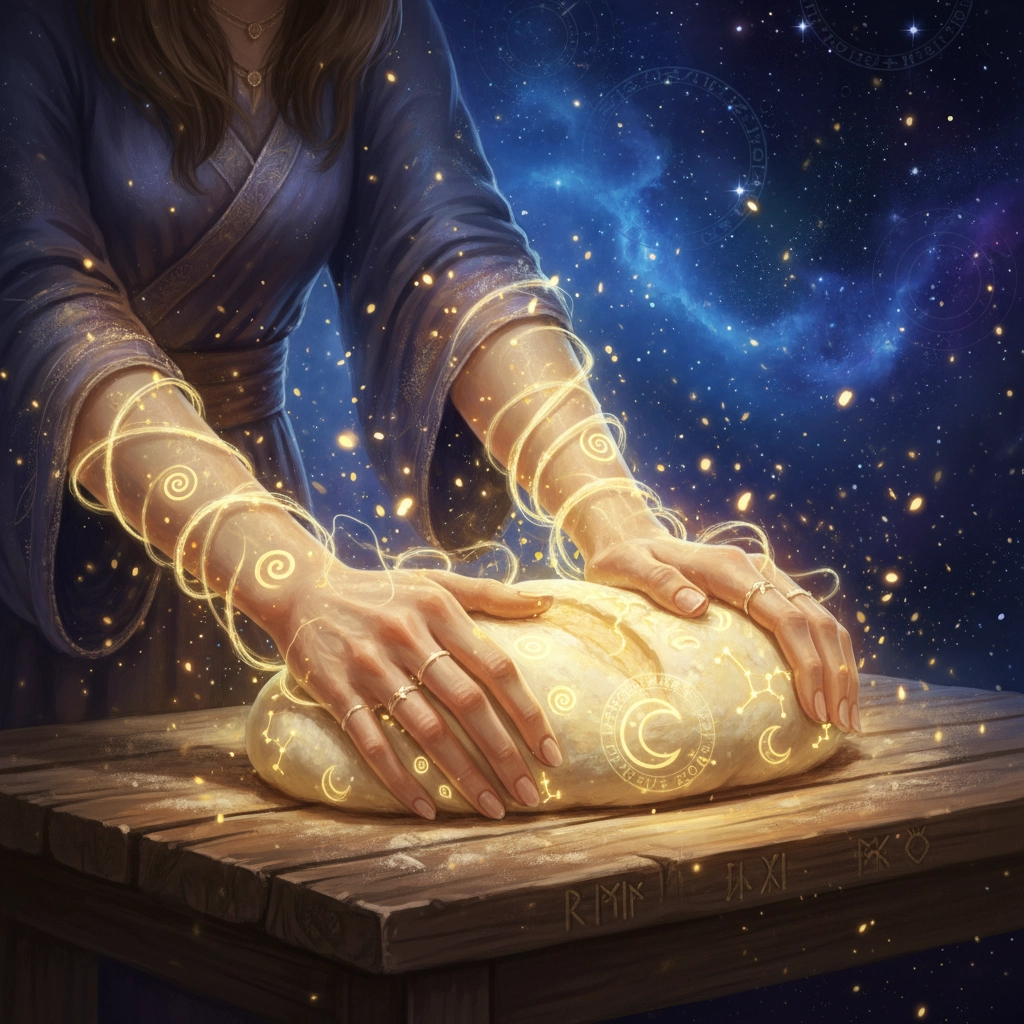
One of the most powerful customs involves using bread as a vehicle for prayers and intentions. Practitioners knead their desires directly into the dough, speaking their needs aloud as they work. The act of mixing, rising, and baking becomes a meditation, a physical manifestation of faith and intention that transforms both baker and bread.
Fresh-baked bread serves as an offering to ancestors and spirits, but the timing matters. Morning bread carries different energy than evening loaves: morning bread opens doors and invites new opportunities, while evening bread provides protection and closure. Wise practitioners understand these subtle distinctions and adjust their baking accordingly.
Another profound custom involves sharing bread as a form of spiritual bonding. When practitioners break bread together, they're not just sharing food: they're creating energetic connections, establishing trust, and building the communal power that makes group work so effective. The person who breaks the bread first holds responsibility for the spiritual tone of the gathering.
The Sacred Taboos: What Never to Do with Bread
Every spiritual tradition has its boundaries, and Hoodoo's bread taboos exist for good reasons. Breaking these taboos doesn't just show disrespect: it can actively disrupt your spiritual work and invite unwanted consequences.
Never throw away bread carelessly. Stale or moldy bread shouldn't go directly into the trash; it should be returned to the earth with gratitude. Composting bread with intention honors its service while maintaining spiritual balance. Practitioners who disregard this taboo often find their prosperity work mysteriously blocked.
Avoid eating both ends of a loaf before finishing the middle: this practice has roots in Southern folk wisdom and connects to the larger Hoodoo understanding of balance and completion. Those who ignore this warning often struggle to "make ends meet" in their financial lives, finding themselves caught in cycles of almost-but-not-quite achieving their goals.
Never use bread in cursing or harmful work without serious consideration. While bread can be used in binding spells or protective measures, using it for purely malicious purposes violates its essential nature as sustenance and can backfire dramatically on the practitioner. Bread wants to nourish and protect: forcing it to harm goes against its spiritual grain.
The most serious taboo involves wasting bread during times of abundance. This isn't about food waste in the environmental sense: it's about maintaining proper relationship with the spirits of provision. Practitioners who waste bread when they have plenty often find their abundance drying up unexpectedly.
Reading the Signs: Bread as Oracle
Experienced practitioners know that bread speaks to those who listen. The way dough rises, how loaves bake, even the sounds bread makes can provide guidance and warnings about what's coming.
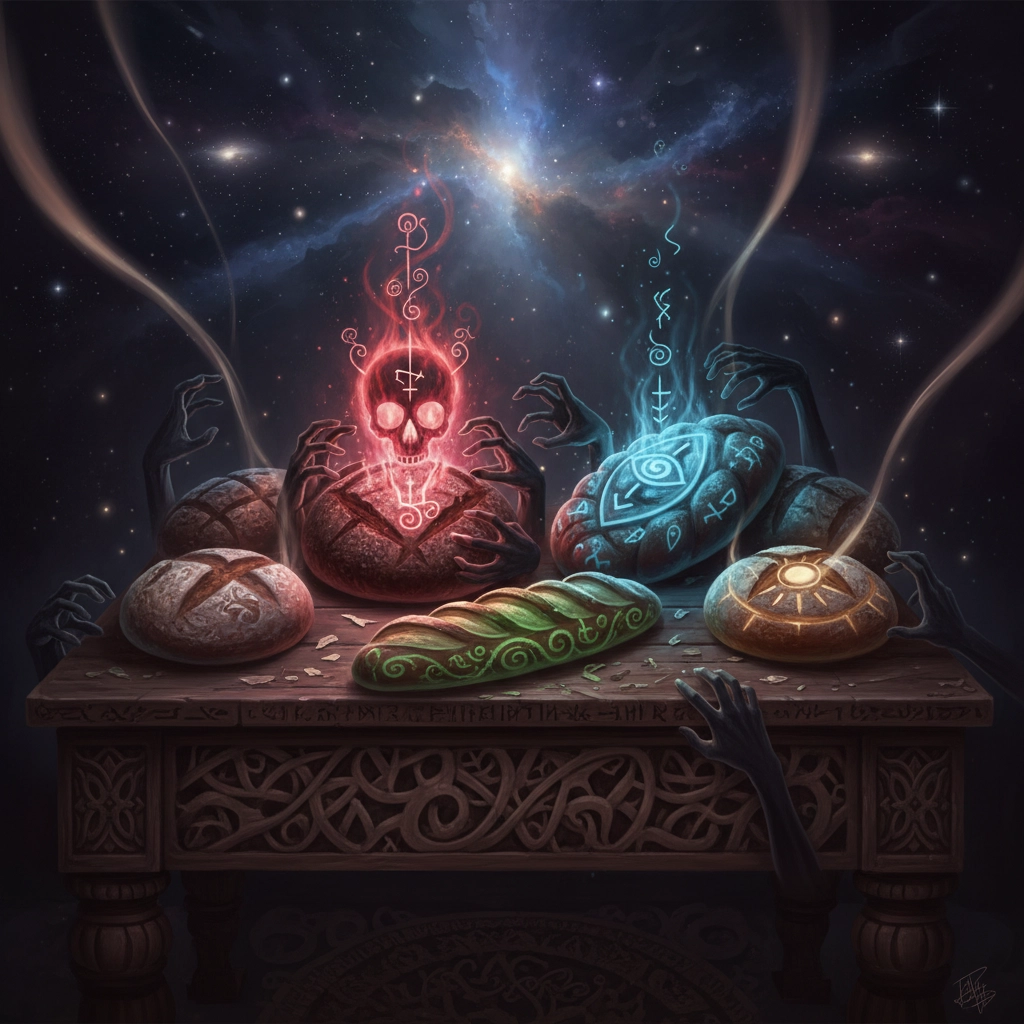
When dough fails to rise despite perfect conditions, it often signals spiritual blockages or negative influences affecting your work. Pay attention to what you were thinking about or planning when you started the bread: the failure might be a warning to reconsider your approach or timing.
Conversely, bread that rises faster and higher than expected indicates favorable spiritual conditions. This is an excellent time to set intentions, make important decisions, or launch new ventures. The same energy that lifts your bread will lift your endeavors.
The way bread tears when broken reveals information about relationships and partnerships. Clean breaks suggest clear communication and honest dealing, while ragged or difficult tears warn of hidden tensions or deceptive elements in your connections with others.
Even the aroma carries messages. Bread that smells sweeter than usual often precedes good news or positive changes, while bread that develops an unusual or off-putting smell despite being fresh might warn of hidden problems or negative influences in your environment.
Personal Concerns: The Power of Fingernails in Conjure Work
Now we turn to something even more personal than the bread you bake: the fingernails you trim. In Hoodoo tradition, fingernails represent one of the most potent forms of personal concerns, those intimate items that carry a person's spiritual essence and can be used to create powerful connections for both protection and influence.
Fingernails hold concentrated personal energy because they grow from within the body, constantly absorbing the individual's spiritual signature. Unlike hair, which can be influenced by external treatments, fingernails remain relatively pure repositories of personal essence, making them invaluable for serious conjure work.
Practitioners use their own fingernails in protection spells, grinding them into powders for mojo bags or burying them at the corners of their property to establish spiritual boundaries. When you place your own nail clippings in protective work, you're essentially extending your personal energy field to encompass the area or situation you want to safeguard.
The collection and preparation of fingernails requires specific attention to timing and intention. Nails trimmed during the waxing moon carry energy for growth, attraction, and building up, while those cut during the waning moon hold power for banishing, binding, and breaking down negative influences.
Working with Others' Fingernails: Ethics and Effectiveness
Using another person's fingernails in conjure work enters more complex spiritual territory that requires careful consideration of ethics and consent. Traditional practitioners understood that working with someone's personal concerns without their knowledge created karmic responsibilities that could have lasting consequences.
Fingernails obtained consensually can be used in healing work, love spells (when appropriate), and protection work for the person's benefit. A mother might use her child's nail clippings in protection spells, or partners might exchange nail clippings as part of commitment rituals.
However, using someone's fingernails for harmful purposes or without their consent violates fundamental spiritual principles and often rebounds on the practitioner with multiplied force. The intimate nature of personal concerns means that misusing them creates direct karmic connections that can persist across lifetimes.
Practitioners who work with others' fingernails must also consider the spiritual responsibility this creates. Once you've worked with someone's personal concerns, you maintain an energetic connection to that person that requires ongoing ethical consideration in all your spiritual work.
Modern Applications: Integrating Ancient Wisdom
Today's practitioners face unique challenges in applying traditional bread and fingernail customs to contemporary life. Modern bread often contains preservatives and industrial ingredients that weren't part of traditional recipes, while our busy lifestyles may not accommodate lengthy bread-making rituals.

The solution lies in adapting the principles rather than abandoning them. Store-bought bread can still serve spiritual purposes when blessed and treated with proper intention, though homemade bread remains more potent for serious work. The key is maintaining the underlying attitude of respect and reciprocity that makes these practices effective.
For fingernail work, modern practitioners must navigate hygiene concerns and disposal methods that didn't exist in traditional settings. Many practitioners now bury used nail clippings in potted plants, creating portable spiritual anchors that can move with them through apartments and temporary housing.
Digital age practitioners also find creative ways to honor bread and fingernail customs through social media and online communities, sharing baking experiences and nail care rituals that strengthen communal bonds across geographical distances.
The Continuing Journey: Where Tradition Meets Tomorrow
The customs, taboos, and omens surrounding bread and fingernails in Hoodoo practice remind us that spiritual wisdom often hides in plain sight. These traditions survived centuries of oppression and cultural disruption because they work: because they connect us to powers and possibilities that transcend ordinary understanding.
As we move forward, the challenge isn't choosing between ancient wisdom and modern convenience, but finding ways to honor the deeper principles while adapting to contemporary realities. The ancestors who developed these practices faced their own challenges and created solutions that served their communities. We honor them best by continuing that creative adaptation while maintaining the essential spiritual integrity that makes this work effective.
Whether you're kneading intention into fresh dough or carefully preserving nail clippings for protective work, you're participating in an unbroken chain of spiritual practice that connects you to generations of practitioners who understood something profound about the hidden powers in everyday things.
The bread on your counter and the nails you trim tonight carry possibilities you might never have imagined. The question isn't whether these old ways still work: the question is whether you're ready to discover what they might work for you.

