


What if everything you thought you knew about Christmas was just the surface layer of a much deeper, more powerful spiritual tradition? While millions gather around trees and exchange gifts, there's an ancient practice that has been weaving African wisdom through Christian celebrations for centuries – and it's been hiding in plain sight.
The Hidden History That Changed Everything
Picture this: enslaved African Americans in the antebellum South, forbidden from practicing their ancestral traditions openly, yet refusing to let their spiritual heritage die. Christmas became their sanctuary – a legitimate Christian celebration that provided the perfect cover for maintaining sacred connections to their African roots.
This wasn't just cultural survival; it was spiritual revolution.
The creation of what we now know as Hoodoo represents one of the most ingenious acts of cultural preservation in American history. When slave codes made African religious practices illegal, our ancestors didn't abandon their traditions – they transformed them. They took the framework of Christianity and breathed their ancestral wisdom into it, creating something entirely new yet deeply rooted.
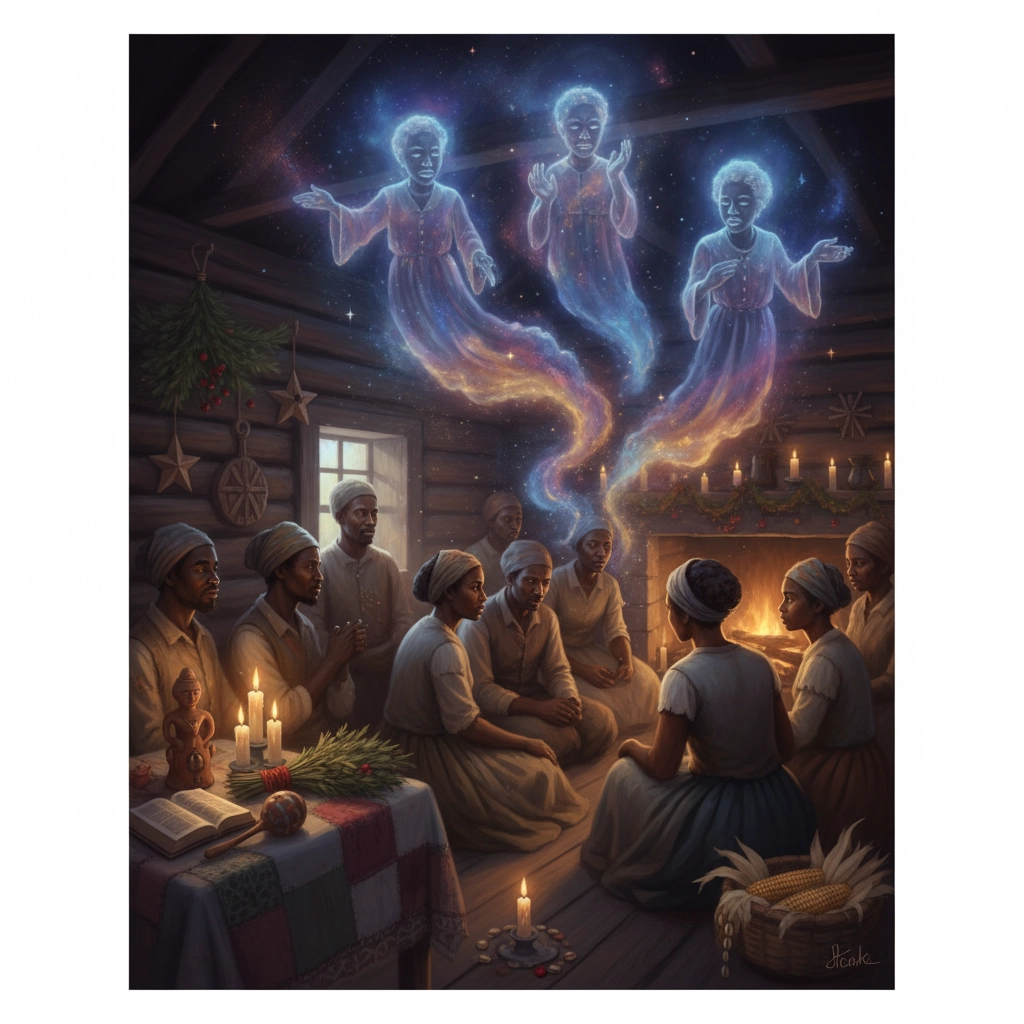
At places like White Haven, Christmas festivals became more than holiday celebrations. They were coded spiritual gatherings where African Americans could practice their traditions through feasting, music, and communal rituals that honored both Christ and their ancestors. The beauty lies in how seamlessly these practices merged – not as a betrayal of either tradition, but as a testament to the adaptability and strength of African spiritual systems.
Why Winter's Darkness Holds Sacred Power
Many people believe that Christmas is all about light conquering darkness, but Hoodoo practitioners understand a profound truth that mainstream Christianity often overlooks: darkness isn't something to defeat – it's something to embrace.
The winter solstice period, typically December 20-22, represents the longest nights and shortest days of the year. While others rush toward the light, Hoodoo tradition recognizes these dark days as essential for spiritual healing and ancestral intimacy. This isn't about pessimism; it's about understanding that growth requires dormancy, that renewal demands a season of rest.
Think of it as spiritual hibernation – a necessary retreat that allows the soul to regenerate and reconnect with ancestral wisdom.
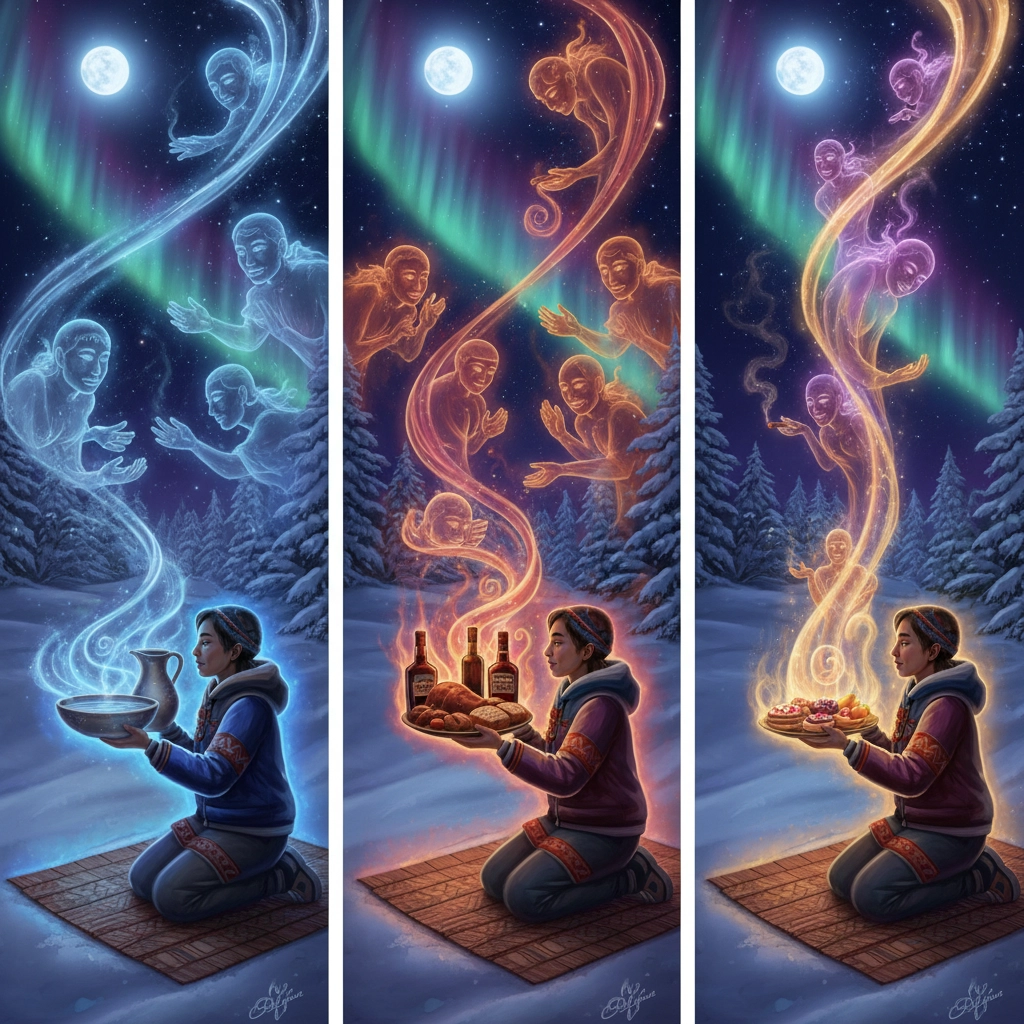
Modern Hoodoo practitioners honor this sacred time with a three-day feast for ancestors that transforms the holiday season into something far more meaningful than gift exchanges. On December 20th, practitioners offer cool fresh water to their ancestors. December 21st brings hearty food and liquor, creating a spiritual banquet that bridges the living and the dead. The ritual concludes on December 22nd with sweet foods and cigar smoke, sealing the connection with love and reciprocity.

The Revolutionary Act of Ancestral Christmas Celebration
What makes Hoodoo's approach to Christmas so revolutionary? It rejects the consumer-driven narrative that dominates modern celebrations and returns to something much more profound: the understanding that the holiday season is about communion with those who came before us.
This practice transforms Christmas from a single day of celebration into a sacred season of remembrance and spiritual connection. Where traditional Christmas focuses on the birth of Christ, Hoodoo Christmas honors the ongoing presence of ancestral spirits and their continued influence in our lives.
The intimacy created through these winter rituals builds what practitioners call "reciprocity with the ancestral community." This isn't just about remembering the dead – it's about maintaining active relationships with spiritual guides who offer protection, wisdom, and healing throughout the year.
Where Christianity Meets African Wisdom
The genius of Hoodoo lies in how it created space for African spiritual practices within Christian frameworks without compromising the integrity of either tradition. This wasn't cultural appropriation or religious confusion – it was brilliant theological innovation born from necessity and nurtured by profound spiritual understanding.
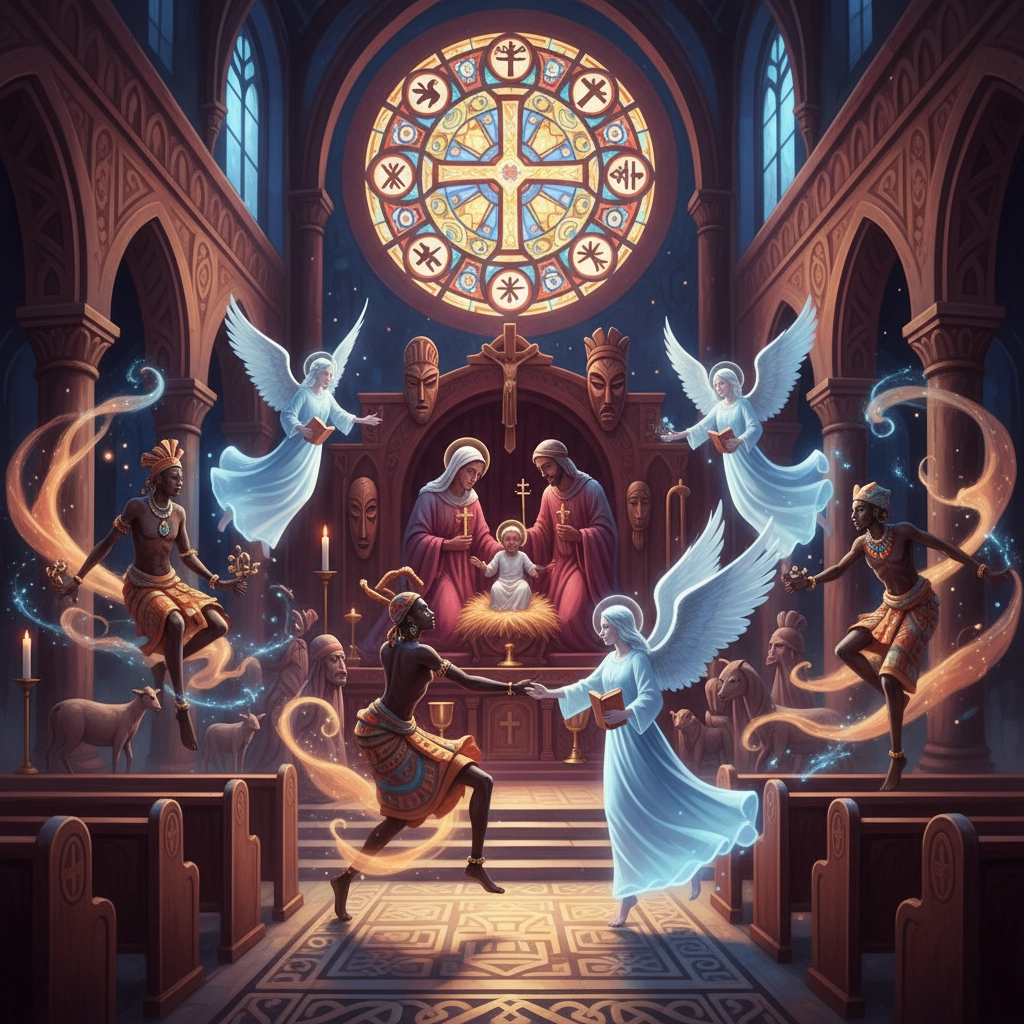
Many practitioners found that African American churches became the perfect sanctuary for what scholars now call Afro-Christianity. These weren't competing belief systems but complementary spiritual practices that enriched each other. The Christian emphasis on salvation through Christ merged beautifully with African traditions of ancestral guidance and natural magic.
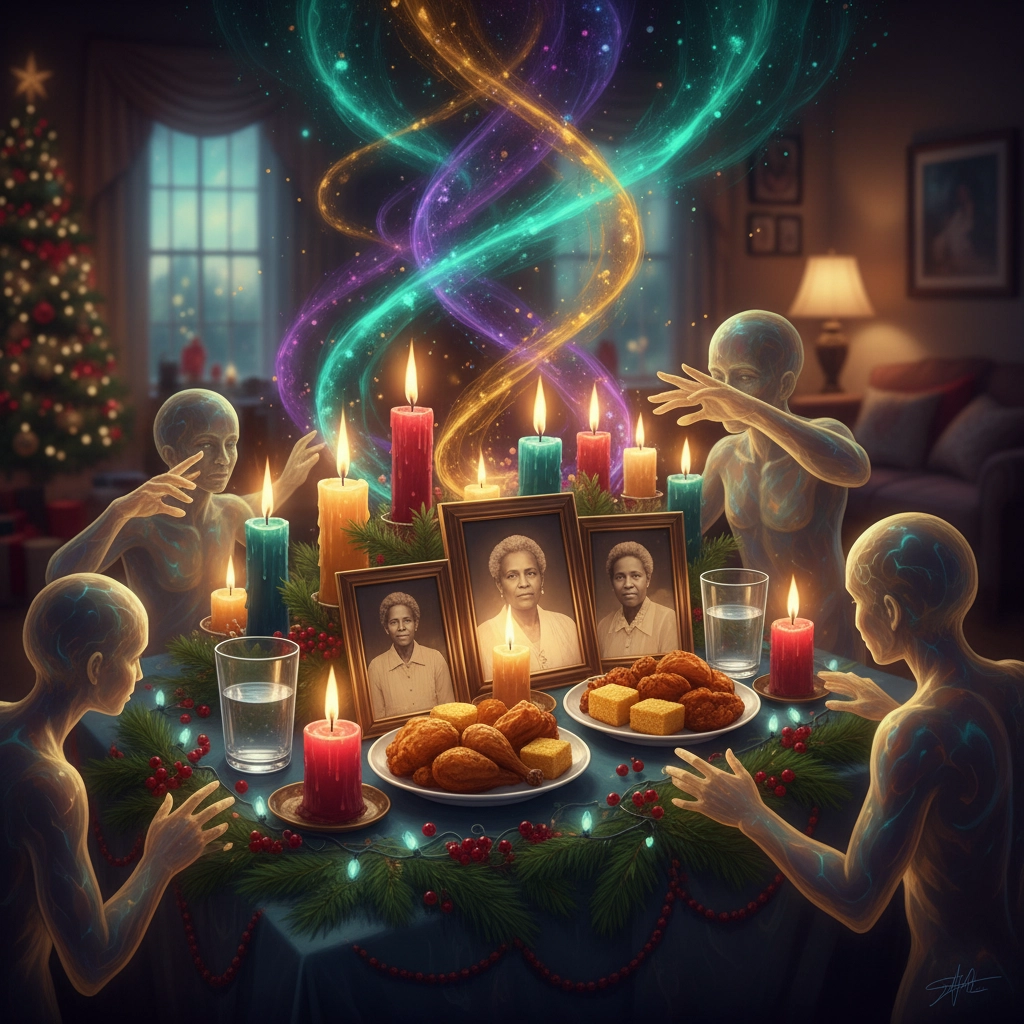
During Christmas celebrations, this synthesis became most visible. Church services might focus on the nativity story, but home celebrations included ancestral altars, protective rituals, and spiritual practices that connected families to their African heritage. The holiday became a bridge between worlds – honoring the Christian savior while maintaining sacred relationships with ancestral spirits.
The Modern Hoodoo Christmas Revolution
Today's Hoodoo practitioners are reclaiming Christmas in ways that would make their ancestors proud. They're not rejecting Christianity or abandoning holiday traditions – they're deepening them by adding layers of spiritual practice that mainstream celebrations often lack.
This modern approach transforms the holiday season from a stressful period of obligation into a sacred time of spiritual renewal. Instead of rushing through shopping lists and social obligations, practitioners use the darkest days of the year for reflection, ancestral communication, and spiritual preparation for the year ahead.
The three-day ancestral feast becomes a counterpoint to Christmas morning gift exchanges. While others focus on material presents, Hoodoo practitioners give offerings to their spiritual guides and receive blessings, protection, and wisdom in return. This creates a holiday experience that feeds the soul rather than depleting the bank account.
What's particularly powerful about this approach is how it democratizes spiritual practice. You don't need expensive gifts or elaborate decorations to honor your ancestors – you need presence, intention, and respect. A glass of water, a plate of food, and genuine reverence create connections that no amount of commercial celebration can match.
Breaking the Misconceptions
Let's address the elephant in the room: when some people hear "Hoodoo and Christmas," they might think of Stephen Leacock's satirical story "Hoodoo McFiggin's Christmas" – a tale about childhood disappointment and holiday expectations. But that fictional narrative has nothing to do with the profound spiritual tradition we're discussing here.
The real story of Hoodoo and Christmas is about resilience, creativity, and the unbreakable bonds between ancestors and descendants. It's about how oppressed people found ways to maintain their spiritual identity while navigating systems designed to erase their cultural heritage.
This tradition teaches us that Christmas can be both a Christian celebration and an African spiritual practice without contradiction. It shows us that the most powerful religious experiences often happen at the intersection of different traditions rather than in isolated theological boxes.
The Gift That Keeps on Giving
What emerges from understanding Hoodoo's relationship with Christmas is a richer, more textured way of experiencing the holiday season. Instead of limiting Christmas to December 25th, practitioners extend the sacred season through the darkest days of winter, creating space for both celebration and reflection.
This approach offers something that mainstream Christmas celebrations often lack: genuine spiritual nourishment. While others recover from holiday excess, Hoodoo practitioners enter the new year spiritually fortified, connected to ancestral wisdom, and prepared for whatever challenges lie ahead.
The practice also provides a powerful model for cultural preservation and innovation. It shows how oppressed communities can maintain their spiritual heritage while adapting to new circumstances – not by abandoning their traditions but by finding creative ways to keep them alive.
Your Invitation to Deeper Celebration
As we approach another Christmas season, consider what Hoodoo tradition offers: an opportunity to deepen your holiday experience beyond consumption and obligation. Whether or not you practice Hoodoo specifically, the principles of ancestral reverence, spiritual preparation, and sacred time-keeping can transform your relationship with this season.
The ancestors who created these traditions didn't just survive oppression – they transformed it into something beautiful and powerful. Their legacy invites us all to approach Christmas not just as consumers but as spiritual beings seeking connection with something greater than ourselves.
This Christmas, the choice is yours: will you settle for surface celebrations, or will you dare to explore the deeper spiritual currents that have been flowing beneath the holiday season for centuries?

