

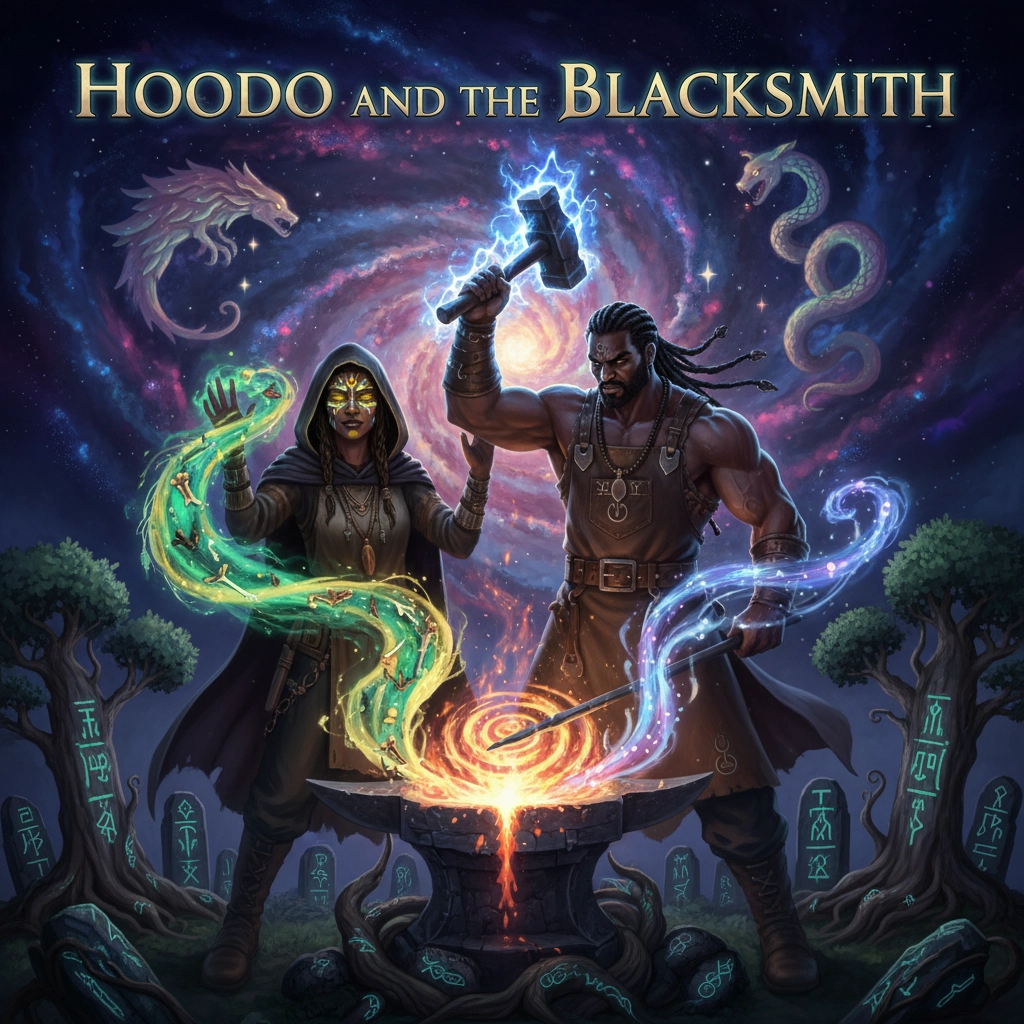
Many people think of blacksmiths as simple craftspeople, hammering hot metal into horseshoes and farming tools. But what if I told you that in Hoodoo tradition, blacksmiths were actually spiritual powerhouses: sacred intermediaries between the physical and supernatural worlds? The rhythmic pounding of hammer on anvil wasn't just shaping metal; it was channeling divine energy.
This isn't some romantic fantasy. It's a profound spiritual truth that survived one of humanity's darkest chapters and continues to pulse through modern Hoodoo practices today.
Why Iron Holds Sacred Power in West African Tradition
Before we dive into how blacksmiths became spiritual giants in Hoodoo, we need to understand where this reverence began. In West Africa, particularly among the Yoruba people, iron wasn't just another metal: it was the earthly manifestation of divine power.
The Orisha Ogun, revered as the god of iron, war, and technology, represented far more than metalworking. Ogun embodied transformation itself: the ability to take raw, unyielding materials and forge them into tools that could clear paths, build civilizations, and protect communities. Blacksmiths weren't just workers; they were Ogun's earthly representatives, wielding sacred fire to channel divine creative force.
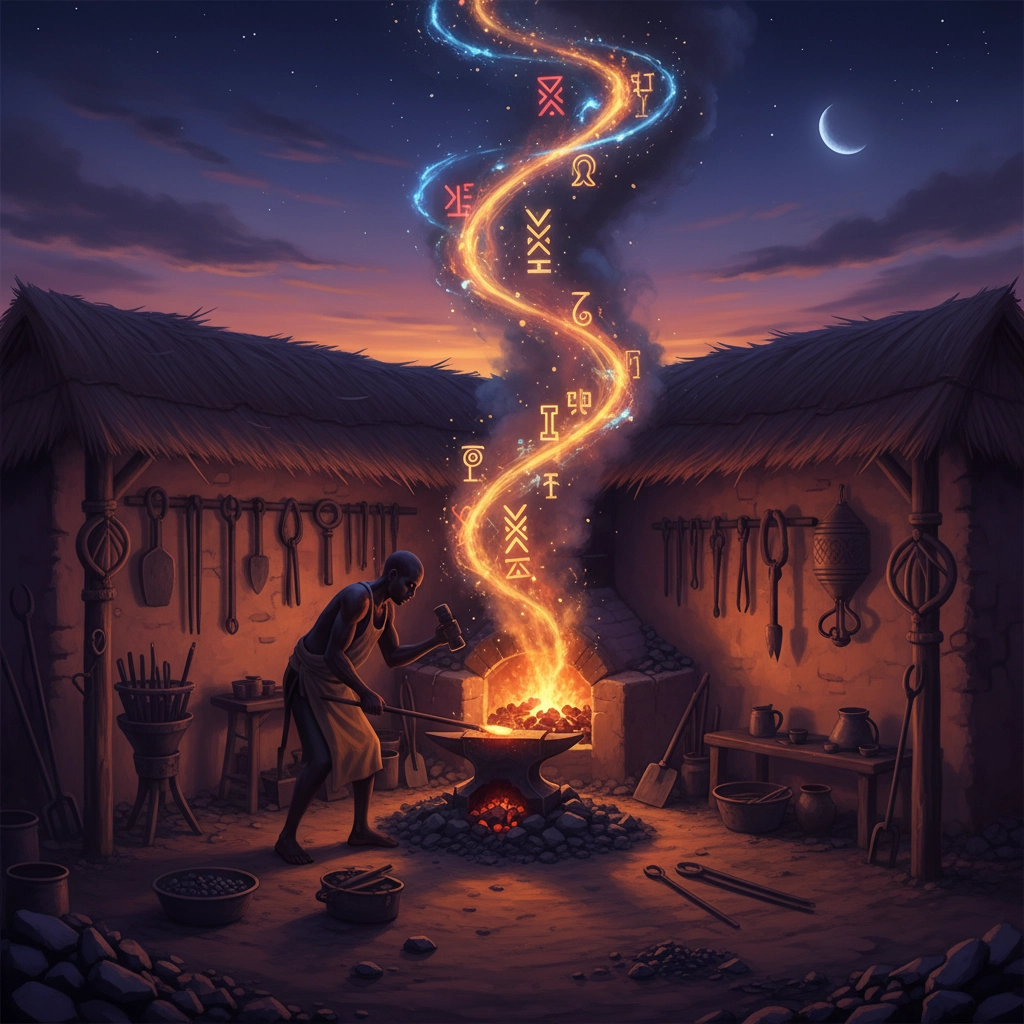
Think about it: in pre-industrial societies, the blacksmith possessed almost magical abilities. They could take brittle ore and create indestructible tools. They understood the mysteries of fire, metal, and transformation in ways that seemed supernatural to their communities. This wasn't just technical skill: it was spiritual mastery.
When Yoruba people recognized a blacksmith, they weren't simply acknowledging craftsmanship. They were honoring someone connected to the spirit of metal itself, someone who could invoke protective and transformative energies that flowed through every piece of iron they created.
The Middle Passage Couldn't Break Sacred Bonds
Here's where the story becomes both heartbreaking and triumphant. When West Africans were violently torn from their homelands and enslaved in the Americas, they faced systematic attempts to strip away every aspect of their spiritual and cultural identity. Slave owners knew that breaking spiritual connections would make people easier to control.
But something remarkable happened. Even under the most brutal oppression, enslaved blacksmiths maintained their sacred status within their communities. The respect for iron workers and the spiritual significance of metal refused to die, even when the specific names and symbols of African deities were beaten out of memory.

Archaeological evidence tells this story beautifully. At the Wye House in Maryland, researchers uncovered artifacts that directly link to Yoruba spiritual beliefs and the reverence of Ogun. Similarly, a spiritual bundle discovered four feet below street level near the Annapolis capital contained a stone axe and other items showing unmistakable cultural connections to West African practices.
These weren't random artifacts. They were declarations of spiritual survival: proof that even in the depths of slavery, people maintained their sacred connection to iron, metalworking, and the protective spirits that flowed through both.
What emerged was something unprecedented: a spiritual tradition that preserved the essence of African beliefs while adapting to new circumstances. The names might have been lost, but the power remained.
How Blacksmith Spirituality Lives in Modern Hoodoo
You might wonder: how does ancient reverence for blacksmiths translate into practical Hoodoo work today? The answer lies in understanding that Hoodoo isn't about worshipping the past: it's about channeling timeless spiritual energies for present-day protection and empowerment.
Horseshoes became one of the most recognizable manifestations of blacksmith spirituality in Hoodoo. But these aren't just lucky charms hanging over doorways. When a Hoodoo practitioner uses a horseshoe for protection, they're invoking the same spirit of metal that Yoruba people recognized in Ogun. The horseshoe carries the blacksmith's transformative energy: iron that has been shaped by fire and intention into a tool of spiritual defense.
Some rootworkers and conjure doctors go even deeper, using anvil dust: fine metal particles from the blacksmith's anvil: carried in red flannel bags. This isn't superstition; it's sophisticated spiritual technology. The anvil dust contains the concentrated energy of countless acts of creation and transformation, making it a potent ingredient for protection work.
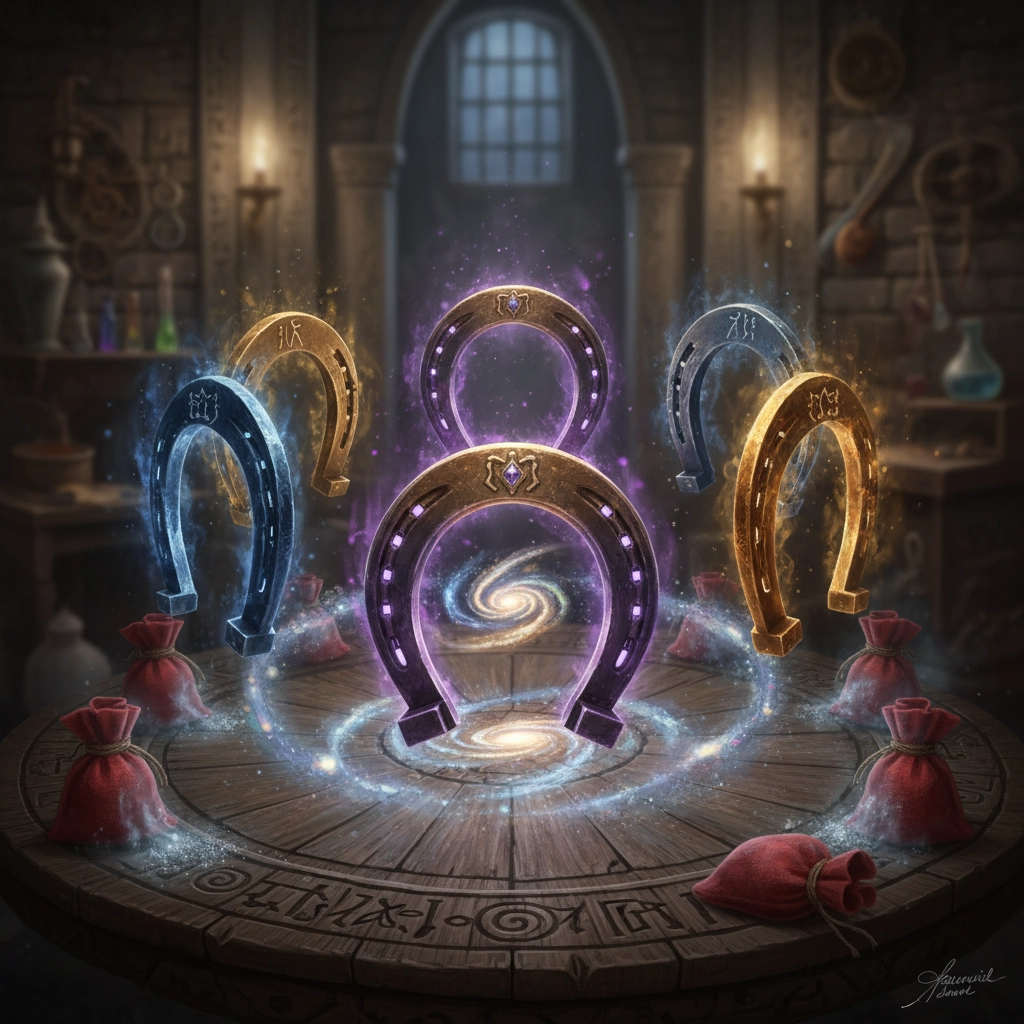
The genius of these practices lies in their accessibility. While the specific theological framework of Yoruba religion might have been lost, the practical applications remained completely intact. You don't need to know Ogun's praise names to understand that iron possesses protective qualities. You don't need complex rituals to benefit from carrying a piece of the blacksmith's forge.
What Was Lost and What Refused to Die
This brings us to one of the most profound aspects of Hoodoo's relationship with blacksmith traditions. While explicit connections to Orisha spirits like Ogun didn't survive slavery intact, something arguably more powerful did: the underlying spiritual principles.
What died were the names, the specific ceremonies, the complex theological systems that required cultural continuity to maintain. What lived were the natural elements, the materials, the fundamental understanding that certain objects and practices could channel protective spiritual energy.
This wasn't spiritual loss: it was spiritual evolution. Hoodoo became a tradition that could preserve essential truths without requiring practitioners to maintain elaborate religious structures that slavery made impossible.
The blacksmith's role evolved too. Where once they might have been recognized as Ogun's priests, they became community spiritual resources in different ways. Their tools, their workspace, their creative process all retained sacred significance, even when the explicit religious context shifted.
The Forge as Sacred Space
Modern practitioners often overlook one crucial aspect of blacksmith spirituality: the forge itself as a sacred space. The blacksmith's workshop wasn't just a place of work: it was a temple where transformation happened daily.
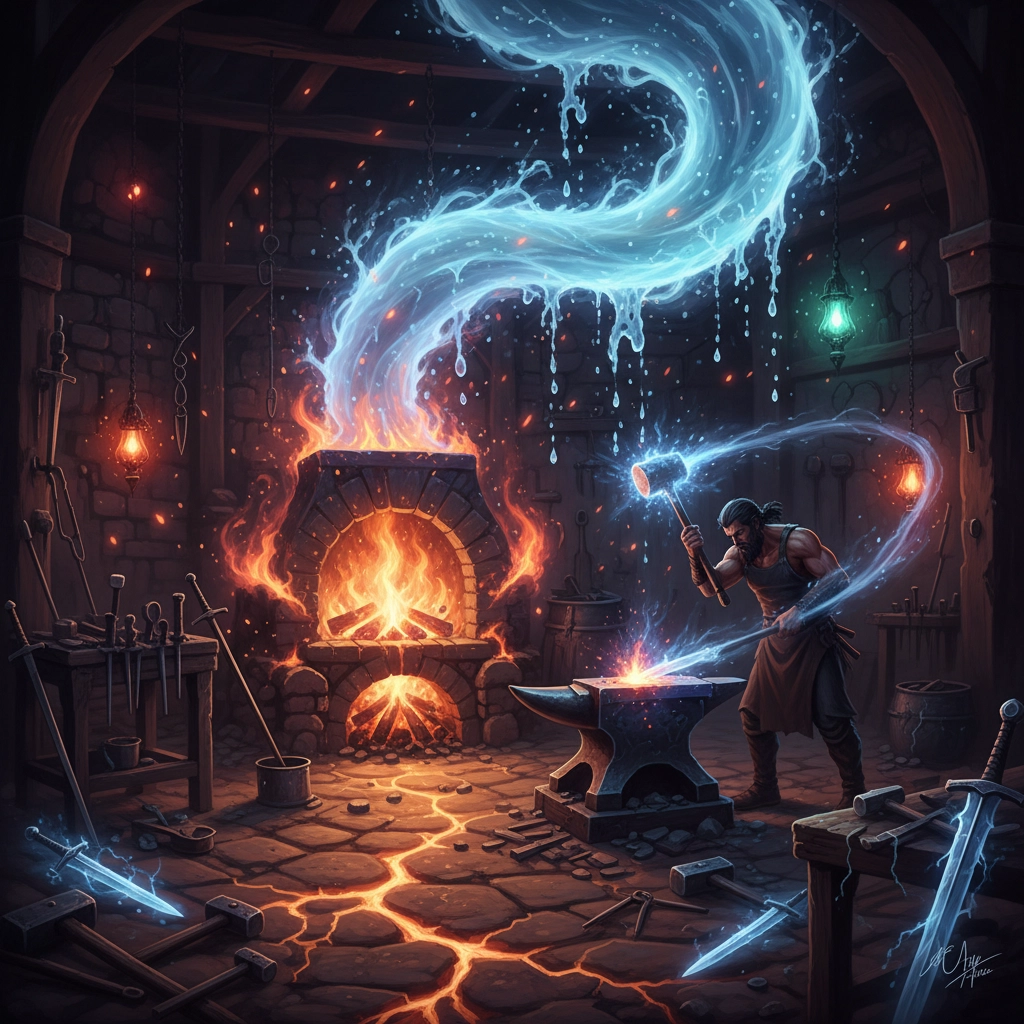
Fire, iron, water, earth: all four elements came together in the blacksmith's craft. The forge fire represented spiritual purification and transformation. The iron embodied strength and protection. Water provided cooling and tempering. Earth supplied the coal and ore that made everything possible.
When you understand this, blacksmith spirituality in Hoodoo makes perfect sense. It's not about venerating a particular trade; it's about recognizing a space where spiritual and physical transformation happened simultaneously. Every piece of ironwork that emerged from a forge carried this sacred energy.
This is why Hoodoo practitioners continue to seek out authentic blacksmith-made items when possible. Machine-made metal objects can be effective, but they lack the concentrated spiritual energy that comes from human hands working with fire and intention.
Why This Matters for Modern Spiritual Practice
Some might ask: why should modern practitioners care about ancient blacksmith traditions? The answer reveals something profound about authentic spiritual power versus manufactured spirituality.
In our mass-produced world, we've lost touch with the spiritual significance of creation itself. We buy pre-made spiritual tools without understanding the energy that goes into their making. We treat protective talismans like consumer products rather than consecrated objects.
Blacksmith spirituality in Hoodoo reminds us that the process matters as much as the product. The hammer blows that shaped a horseshoe weren't just mechanical actions: they were rhythmic incantations. The fire that heated the iron wasn't just fuel: it was spiritual purification in action.
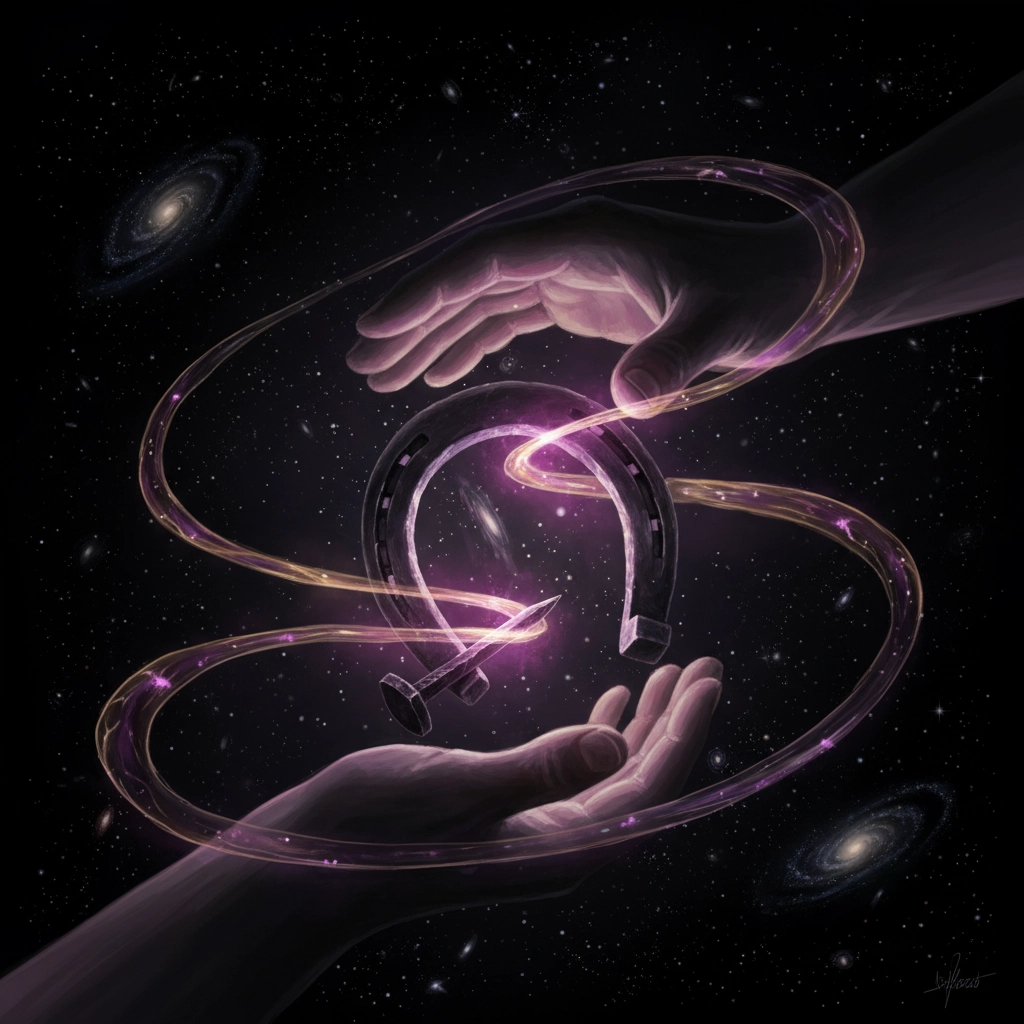
When you carry anvil dust or hang a horseshoe for protection, you're not just following tradition. You're connecting with a chain of spiritual energy that stretches back through centuries of practitioners who understood that transformation requires both fire and intention, both skill and spirit.
The Blacksmith's Legacy Lives On
Today's Hoodoo practitioners don't need to become blacksmiths to honor this tradition. But understanding the spiritual principles behind blacksmith reverence can deepen and strengthen modern practice in profound ways.
Every time you work with iron for protection, remember the sacred fire that shaped it. Every time you invoke spiritual transformation in your life, honor the patient hammering that turns raw material into useful tools. Every time you seek to protect your home and family, acknowledge the ancient wisdom that recognized metal as a carrier of divine power.
The technology serves the tradition, not the other way around. Whether you're working with a hand-forged horseshoe from a traditional blacksmith or a factory-made iron nail, the spiritual principles remain the same. What matters is understanding and respecting the sacred energy that flows through all iron, all transformation, all acts of spiritual protection.
The rhythmic pounding of hammer on anvil may be rare in our modern world, but its spiritual echoes continue to reverberate through every authentic Hoodoo practice. The blacksmith's flame burns eternal, waiting for those wise enough to recognize its light and strong enough to forge their own spiritual path.

