


Most people think the most powerful hoodoo ingredients come from graveyards or crossroads. But what if I told you that one of the most potent materials for your spiritual work has been hiding in plain sight at your local blacksmith shop?
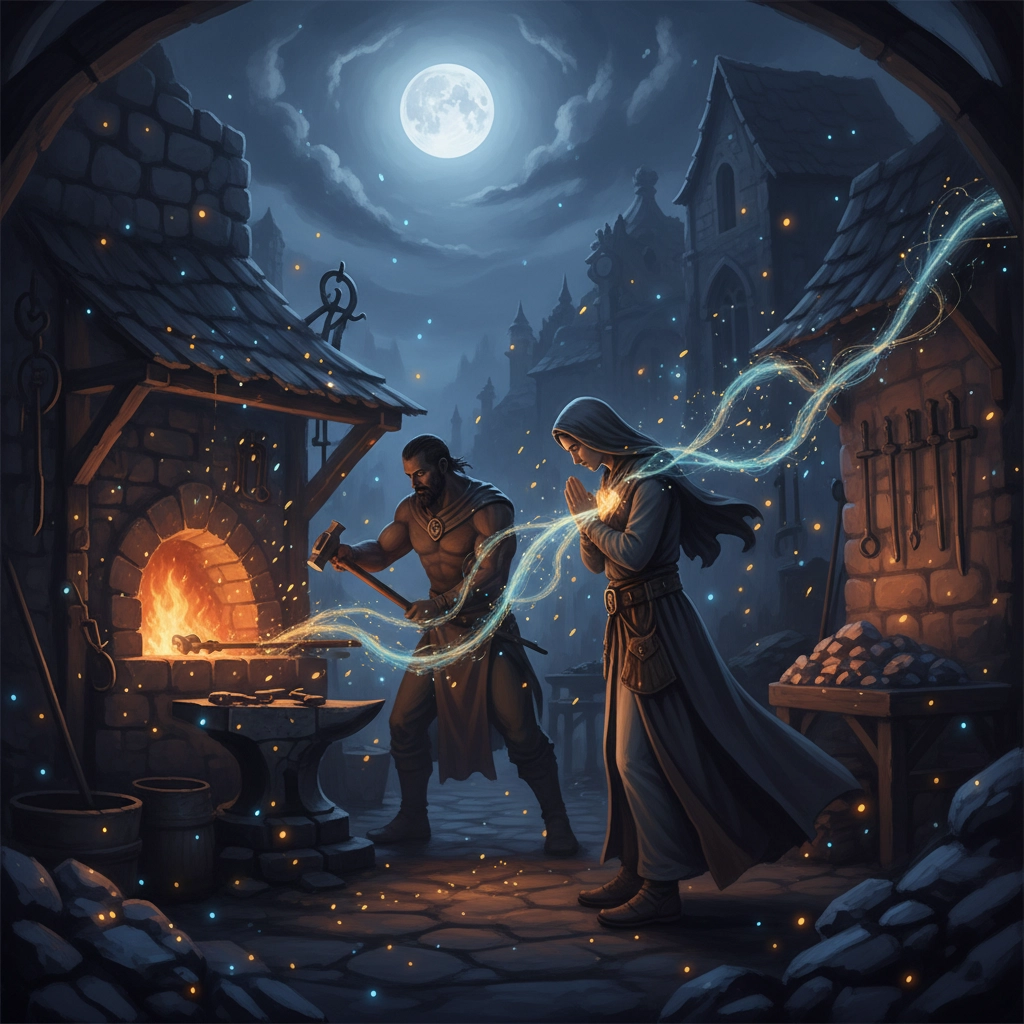
The rhythmic hammering of metal against anvil creates more than sparks and shaped iron: it generates a mystical byproduct that rootworkers have treasured for generations. Welcome to the world of blacksmith dirt, where the marriage of fire, iron, and human intention births one of hoodoo's most underestimated allies.
What Exactly Is Blacksmith Dirt?
Blacksmith dirt, also known as anvil dust, is the fine black iron particles that accumulate around a blacksmith's anvil during metalworking. This isn't just any dirt: it's iron that has been transformed through fire, force, and the blacksmith's craft. Every strike of the hammer sends microscopic fragments flying, creating a powder that carries the essence of transformation itself.
Think about the energy present in a blacksmith's workshop: the roaring forge, the shower of sparks, the deliberate shaping of raw metal into tools and weapons. All of this concentrated power settles into the dirt beneath the anvil, creating a material that pulses with creative and destructive potential.

The iron content gives blacksmith dirt its distinctive properties in spiritual work. Iron has long been revered across cultures for its protective qualities and its ability to conduct energy. In West African traditions, iron is sacred to Ogun, the orisha of war, technology, and transformation. This reverence carried forward into African American hoodoo practices, where iron-based materials became essential components in formulas designed to both protect and attack.
The Traditional Role in Goofer Dust
Where blacksmith dirt truly shines is in the creation of goofer dust: hoodoo's most notorious hexing powder. This isn't child's play; goofer dust represents the serious side of rootwork, the shadow aspect that acknowledges life's harsh realities and the need for spiritual warfare.
Traditional goofer dust recipes typically start with graveyard dirt as the foundation, representing death and spiritual authority. But when you add blacksmith dirt to the mix, you're introducing the element of transformation and the cutting edge of iron. The combination creates a powder that doesn't just bring misfortune: it actively works to reshape the target's reality.
A classic goofer dust recipe incorporating blacksmith dirt might include:
- Graveyard dirt (collected with proper payment and respect)
- Blacksmith dirt or anvil dust
- Ground sulfur
- Black salt
- Crushed snake skin
- Magnetic sand
- Red pepper
- Vandal root
The proportions vary according to the practitioner's tradition and the specific intention of the work. Some rootworkers prefer equal parts of each ingredient, while others emphasize certain components based on the desired outcome.
Beyond Hexing: Protection and Empowerment
But here's where most people get it wrong: blacksmith dirt isn't just for crossing and hexing. The same transformative power that makes it effective for harmful work can be redirected toward protection and personal empowerment.

Consider a protection powder that harnesses the defensive qualities of iron:
Iron Wall Protection Powder:
- Blacksmith dirt (2 parts)
- Blessed salt (1 part)
- Ground eggshell (1 part)
- Five-finger grass (1/2 part)
- High John the Conqueror root (powdered, 1/2 part)
This formula creates a spiritual barrier around your home or person, using the iron's natural protective properties while the other ingredients add blessing, cleansing, and personal power. Sprinkle it around your property's perimeter or carry a small amount in a red flannel bag.
The beauty of working with blacksmith dirt lies in understanding that iron serves whoever wields it with proper intention and respect. The same material that forges weapons can also create tools for building and healing.
Collecting and Sourcing Your Materials
Finding authentic blacksmith dirt requires a bit of detective work in our modern world. Traditional blacksmith shops are increasingly rare, but they do exist. Renaissance festivals, historical reenactment sites, and artisan metalworking shops often have working forges where you can request anvil dust.
When approaching a blacksmith for dirt, remember that you're asking for something that represents hours of skilled labor. Come with respect, perhaps a small gift or payment, and be honest about your spiritual practice. Many craftspeople are more understanding than you might expect, especially if you explain the cultural significance.
If traditional sources aren't available, consider these alternatives:
- Farrier shops (horse shoers) often have anvils and create similar iron dust
- Metal fabrication shops may allow you to collect filings from grinding operations
- Antique anvils at flea markets sometimes have accumulated dust in their bases
- Some spiritual supply shops carry commercially prepared "anvil dust"
Remember to sift your collected material through a fine mesh to remove larger debris, leaving only the finest particles for your spiritual work.
Advanced Recipes and Applications
Crossroads Commanding Powder:
This formula combines the transformative power of blacksmith dirt with other commanding ingredients:
- Blacksmith dirt (1 tablespoon)
- Commanding root powder (1 teaspoon)
- Calamus root powder (1 teaspoon)
- Magnetic sand (1 teaspoon)
- Master of the Woods (1/2 teaspoon)
Blend these ingredients during a waxing moon while focusing on your intention to gain authority and influence in a specific situation. Use by sprinkling small amounts in the footsteps of those you wish to influence or around your workplace.
Break Up Work Formula:
When relationships need to end for the spiritual health of all involved:
- Blacksmith dirt (2 parts)
- Red pepper (1 part)
- Black mustard seed (1 part)
- Sulfur (1/2 part)
- Powdered coffee (1/2 part)
This work requires serious consideration and should never be undertaken lightly. The iron in the blacksmith dirt acts as a spiritual blade, cutting energetic ties while the other ingredients create discord and separation.
Working With Respect and Responsibility
The power inherent in blacksmith dirt demands mature handling. This isn't Instagram-worthy crystal healing: this is serious rootwork that can create real changes in people's lives. Before incorporating these recipes into your practice, ask yourself tough questions about your motivations and the potential consequences of your actions.

Traditional hoodoo operates under the principle that energy returns to its sender. Work done with malicious intent or for petty reasons often backfires spectacularly. The iron in blacksmith dirt amplifies this principle, making it particularly important to approach these formulas with clean hands and a clear conscience.
Always begin any work with blacksmith dirt by protecting yourself spiritually. A simple white light visualization, wearing protective amulets, or working within a blessed circle can prevent unintended blowback from your magical operations.
Modern Applications for Ancient Wisdom
Today's practitioners are finding new applications for this traditional material. Urban rootworkers use blacksmith dirt in job-seeking formulas, recognizing that the energy of skilled craftsmanship can attract opportunities for meaningful work. Others incorporate it into creativity spells, drawing on the blacksmith's role as a creator and shaper.
Entrepreneurs and business owners find blacksmith dirt particularly useful for "forging" new ventures and shaping competitive landscapes. The material's association with tools and weapons translates well into modern concepts of building business strategies and overcoming market challenges.

Environmental activists have begun using blacksmith dirt in rituals aimed at transforming industrial spaces, recognizing the irony of using an industrial byproduct to reclaim spiritual authority over mechanized landscapes.
The Living Tradition Continues
Blacksmith dirt represents more than just another ingredient in your spiritual toolkit: it embodies the living relationship between human skill, natural materials, and divine inspiration. Every particle carries the echo of countless hammer strikes, the breath of roaring forges, and the intention of craftspeople who understood that shaping metal is ultimately about shaping reality itself.
As you work with these recipes, remember that you're participating in an unbroken chain of spiritual technology that stretches back through generations of rootworkers, blacksmiths, and wisdom keepers. The techniques may evolve, but the fundamental truth remains: iron shaped with intention becomes a key that can unlock: or lock: almost any spiritual door.
Your ancestors knew the power sleeping in the dirt beneath the anvil. Now it's your turn to wake it up and put it to work. The forge is lit, the hammer is raised, and the iron waits to be shaped by your will. What reality will you forge today?

