

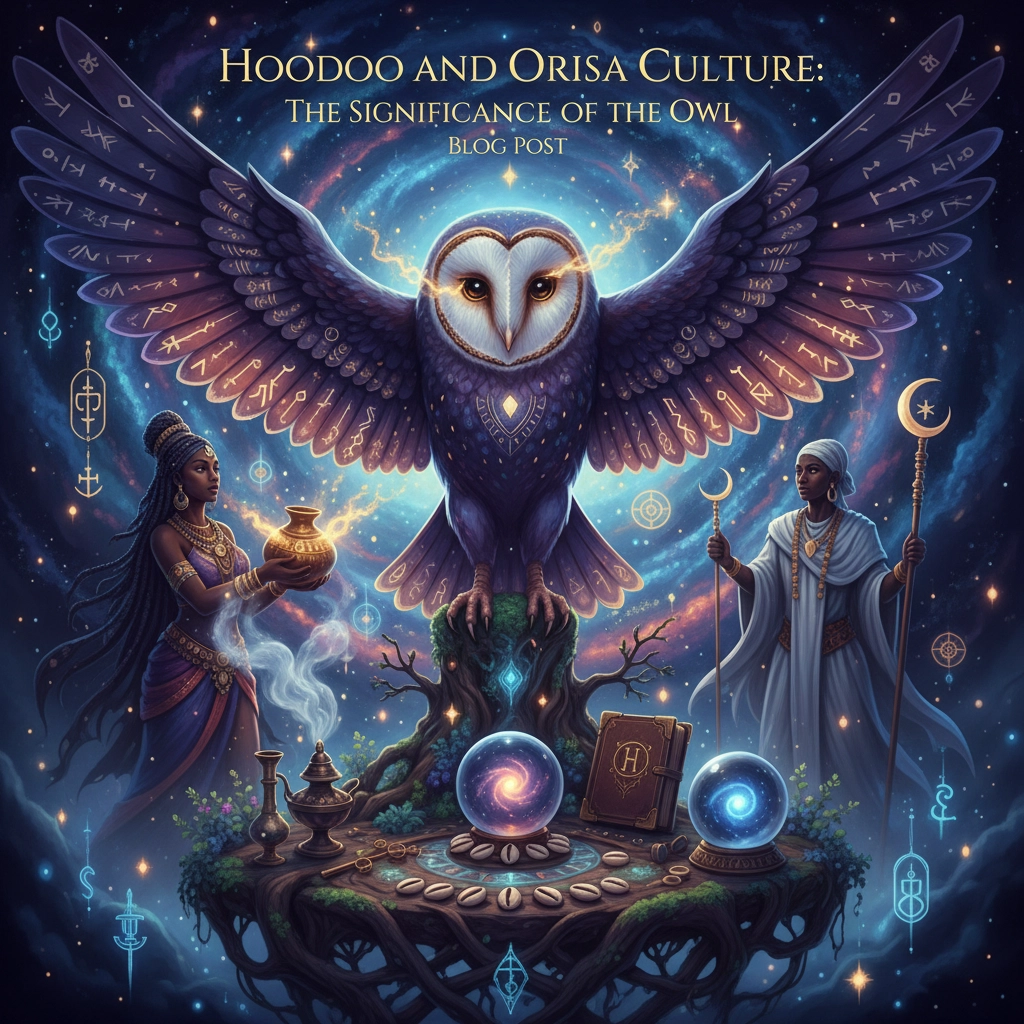
What if everything you thought you knew about owls in African spiritual traditions was wrong?
Here's a truth that might ruffle some feathers: despite what countless internet articles and modern practitioners claim, owls hold no traditional significance in authentic Hoodoo or Orisa culture. None. Zero. And before you click away thinking this is just another spiritual gatekeeping article, stick around: because what's actually happening here reveals something far more fascinating about how spiritual traditions evolve, merge, and sometimes get their wires crossed in our modern world.
The Great Owl Misconception: Where Did This Come From?
Walk into any metaphysical shop today, and you'll likely find owl imagery mixed in with Hoodoo supplies, or see social media posts connecting owl medicine to Yoruba traditions. It's everywhere: and it's a beautiful example of how spiritual practices blend and blur in our interconnected age. But here's where things get interesting: this connection exists almost entirely in contemporary interpretations, not in the historical roots of these traditions.
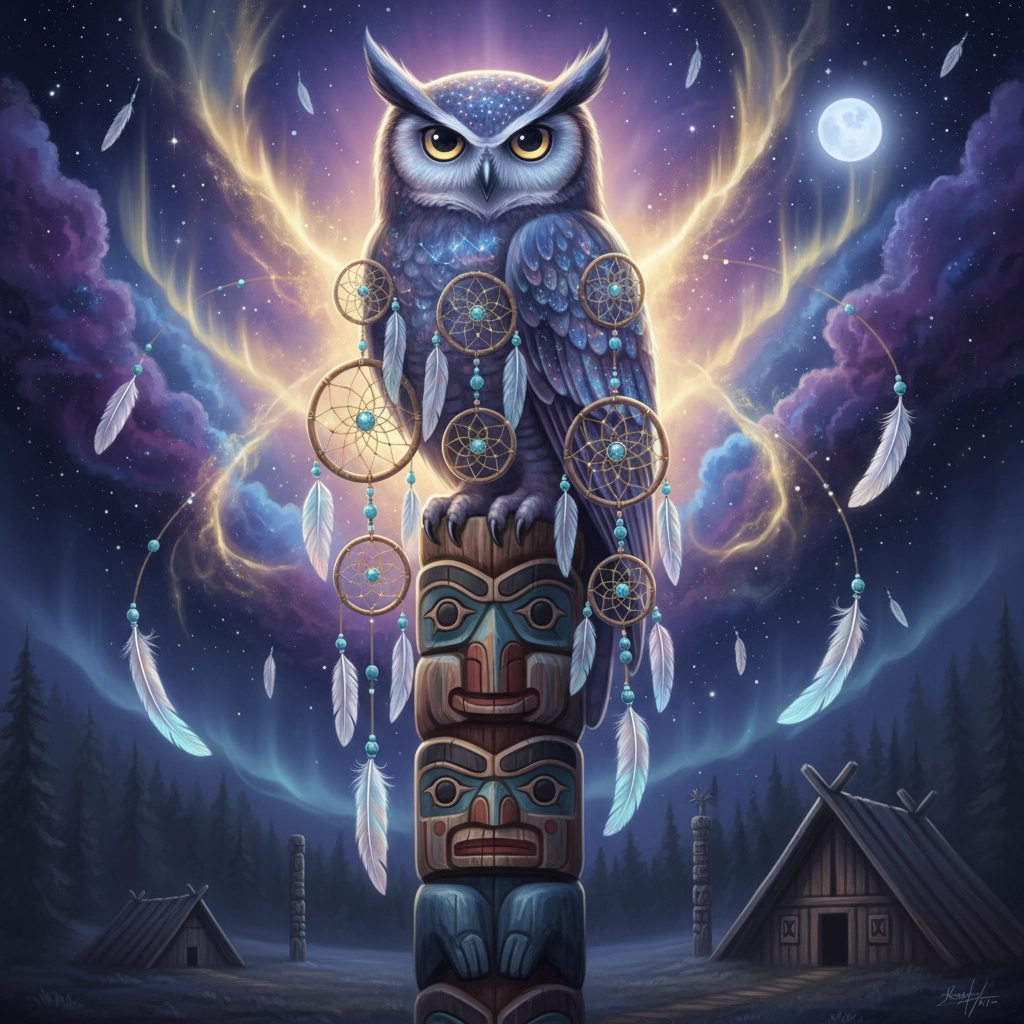
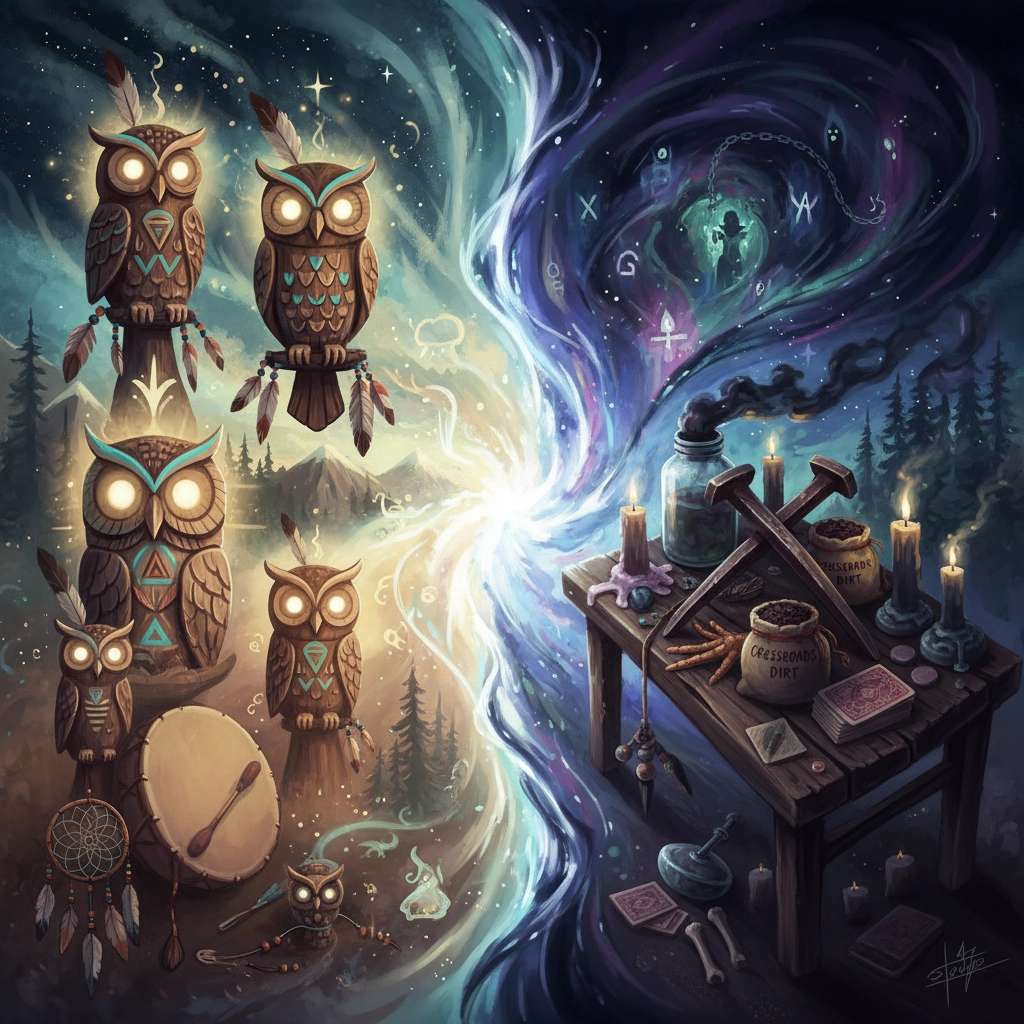
The owl's spiritual significance is deeply embedded in Native American traditions, where these nocturnal hunters represent wisdom, serve as messengers between worlds, and act as protective spirits guiding souls through darkness. This is authentic, documented, and beautiful. But somewhere along the way, as spiritual seekers began blending traditions, the owl's medicine got mixed into African-derived practices where it simply doesn't belong.
What Hoodoo Actually Teaches Us About Animal Spirits
So if not owls, what animals and natural forces actually matter in traditional Hoodoo? The answer reveals a spiritual landscape far more grounded in the practicalities of survival and the natural world that enslaved African Americans encountered.
The Real Animal Powers of Hoodoo:
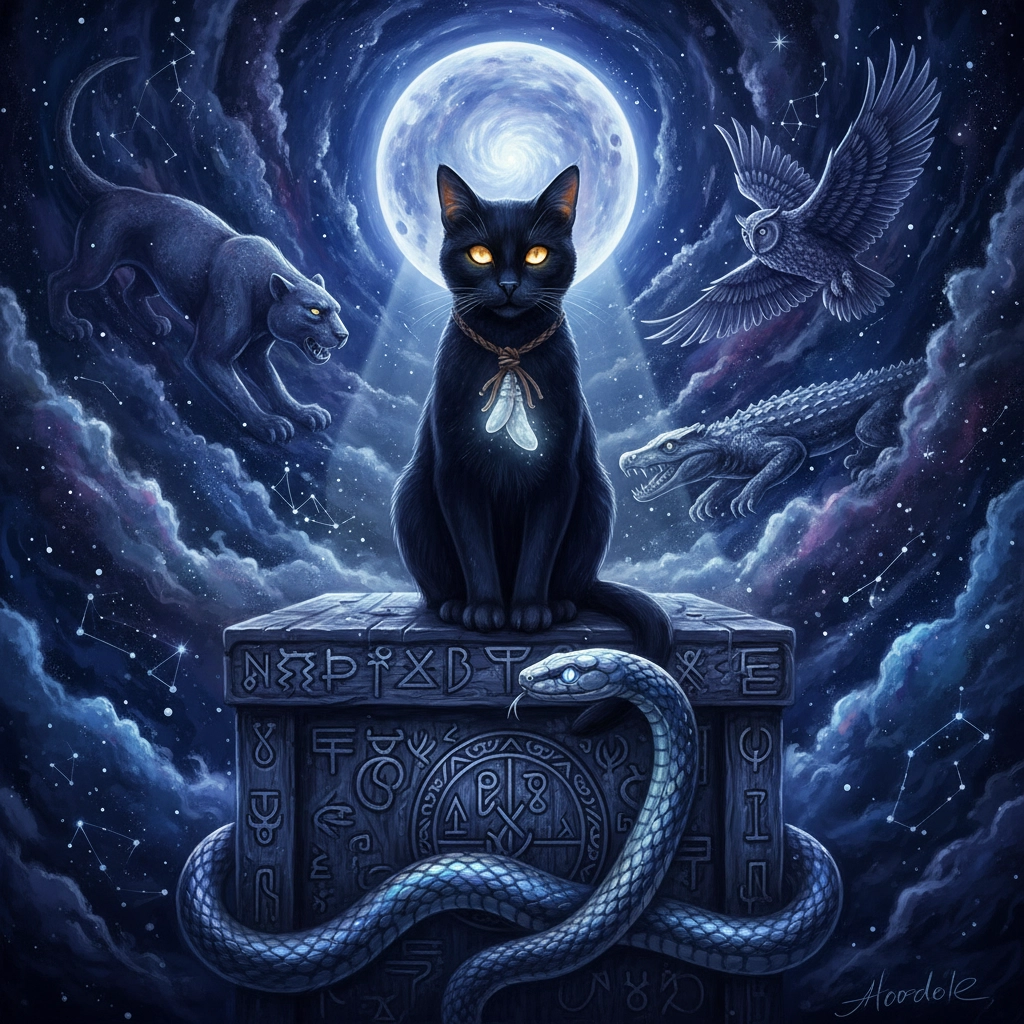
Traditional Hoodoo draws its animal symbolism from creatures that provided practical magic: the black cat bone for invisibility and protection, the rabbit's foot for luck and quick escapes, snakes for wisdom and transformation. These weren't arbitrary choices. They were born from necessity, observation, and the need to find power in a powerless situation.
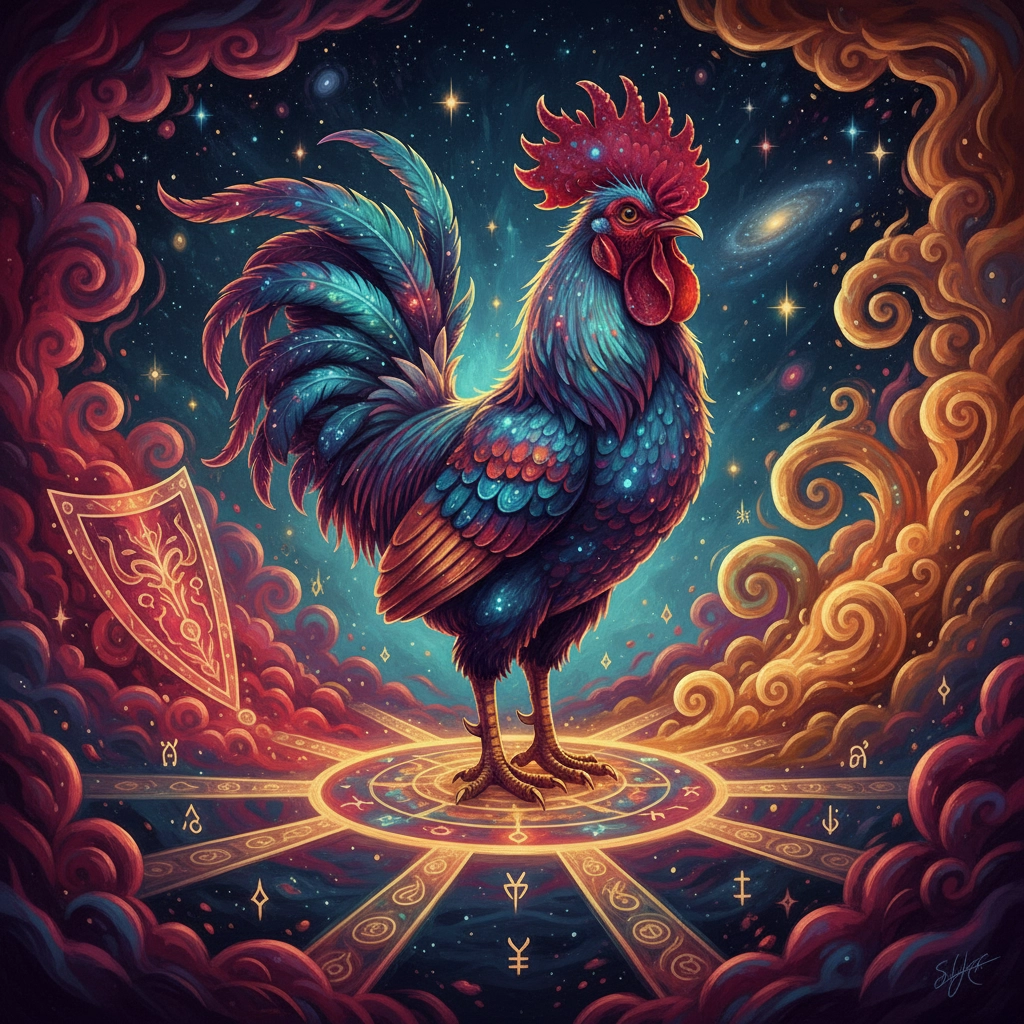
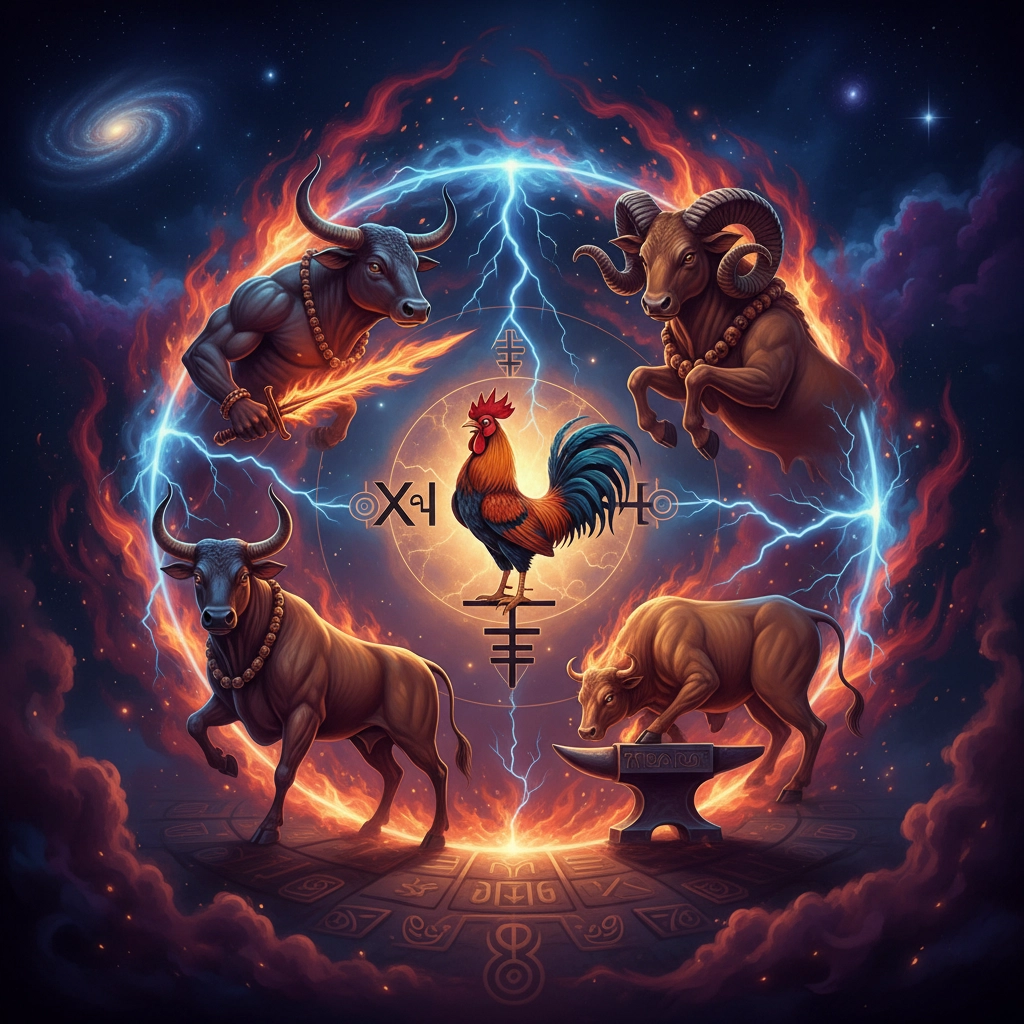
The frizzly rooster struts through Hoodoo tradition as a powerful protector, his backwards-growing feathers creating confusion for enemies and evil spirits. Dogs appear in crossroads work, their loyalty and ability to sense spirits making them powerful allies. Spiders weave fate and catch enemies in their webs of justice.
Notice what's missing? The night hunters, the silent fliers, the creatures of pure wisdom without practical application. Hoodoo was never an academic spiritual practice: it was survival magic, and every element had to earn its place through results.
The Yoruba Connection: What Survived the Middle Passage
When we talk about Orisa culture and its influence on Hoodoo, we're diving into one of history's most remarkable examples of cultural resilience. The Yoruba spiritual system that survived slavery and evolved into various New World traditions carries specific animal associations: but again, owls aren't among them.
Exu-Elegba commands the crossroads with his trickster energy, often represented by roosters whose crow announces the dawn and opens spiritual pathways. Shango rides with the thunder, his power manifesting through rams whose horns echo the lightning's strike. Ogun claims dominion over all things iron and metal, his strength reflected in the bull's unstoppable force.
These animal associations weren't random: they reflected observed behavior, practical applications, and the spiritual needs of communities fighting to maintain their cultural identity under impossible circumstances. The traditions that survived did so because they worked, because they provided real spiritual power and practical protection.
Why the Confusion Matters More Than You Think
"But Monroe," you might be thinking, "does it really matter if people find spiritual meaning in owls and connect them to these traditions?" Here's why it absolutely does matter, and why getting this right is about more than spiritual accuracy.
When we incorrectly attribute symbols and meanings to cultural traditions, we're not just spreading misinformation: we're participating in a form of spiritual colonization. We're taking the rich, specific, hard-won wisdom of one culture and diluting it with elements from another, often without understanding either tradition deeply.
The Real Harm:
- It obscures the actual wisdom and power of authentic traditions
- It creates confusion for sincere spiritual seekers
- It disrespects the cultural integrity of both traditions involved
- It perpetuates the idea that all spiritual traditions are interchangeable
What Authentic Hoodoo and Orisa Traditions Actually Offer
Instead of chasing mythical owl connections, what if we dove deep into what these traditions actually teach? The results might surprise you with their power and relevance.
Hoodoo's True Medicine:
Hoodoo offers a practical spirituality that transforms everyday objects into tools of power. A railroad spike becomes a protector when worked with Ogun's iron medicine. Crossroads dirt holds the power to open new paths when blessed with Exu's energy. Red brick dust creates barriers that evil cannot cross.
This isn't mystical metaphor: it's hands-on magic that changes real conditions in the real world. Practitioners don't just meditate on spiritual concepts; they work with physical tools to create tangible results.
Orisa Culture's Living Wisdom:
The Yoruba Orisa system provides a complete framework for understanding the forces that shape our lives. Each Orisa represents not just spiritual energy but practical wisdom for navigating specific life challenges. Yemoja teaches us about emotional healing and maternal protection. Oshun shows us how to attract love and abundance. Ogun demonstrates how to cut through obstacles with focused determination.
Moving Forward: Honoring Truth Over Trend
So where does this leave modern spiritual seekers who feel drawn to owl medicine? The answer isn't to abandon your connection to these powerful night hunters: it's to honor it in its proper context.
If owls speak to your soul, explore their authentic significance in Native American traditions. Learn from indigenous teachers who can share the real wisdom these creatures carry. Support indigenous communities and their cultural preservation efforts.
And if you're called to Hoodoo or Orisa traditions, come to them with respect for their actual teachings, their real history, their authentic power. Don't try to make them fit your preconceptions: let them transform your understanding instead.
The Path of Authentic Practice
True spiritual power comes not from mixing and matching symbols until they feel comfortable, but from diving deep into traditions with respect, commitment, and genuine hunger for transformation. When we approach Hoodoo, we're not just learning spells: we're connecting with generations of practitioners who refined these techniques under the most challenging circumstances imaginable.
When we honor Orisa traditions, we're not just working with spiritual energies: we're joining a living culture that has maintained its wisdom through centuries of challenge and change.
The owl remains a powerful spiritual ally: just not in these particular traditions. And that's perfectly okay. The world is large enough for multiple wisdom paths, each offering their own unique medicine.
The question isn't whether we can blend traditions: it's whether we can honor each one's authentic wisdom while we do.
Your spiritual journey deserves truth, not trendy misconceptions. These traditions deserve respect, not romantic revision. And you deserve teachers and resources that guide you toward genuine transformation, not spiritual fast food.
The path forward is clear: seek truth, honor authenticity, and let real wisdom transform your practice from the ground up.

