

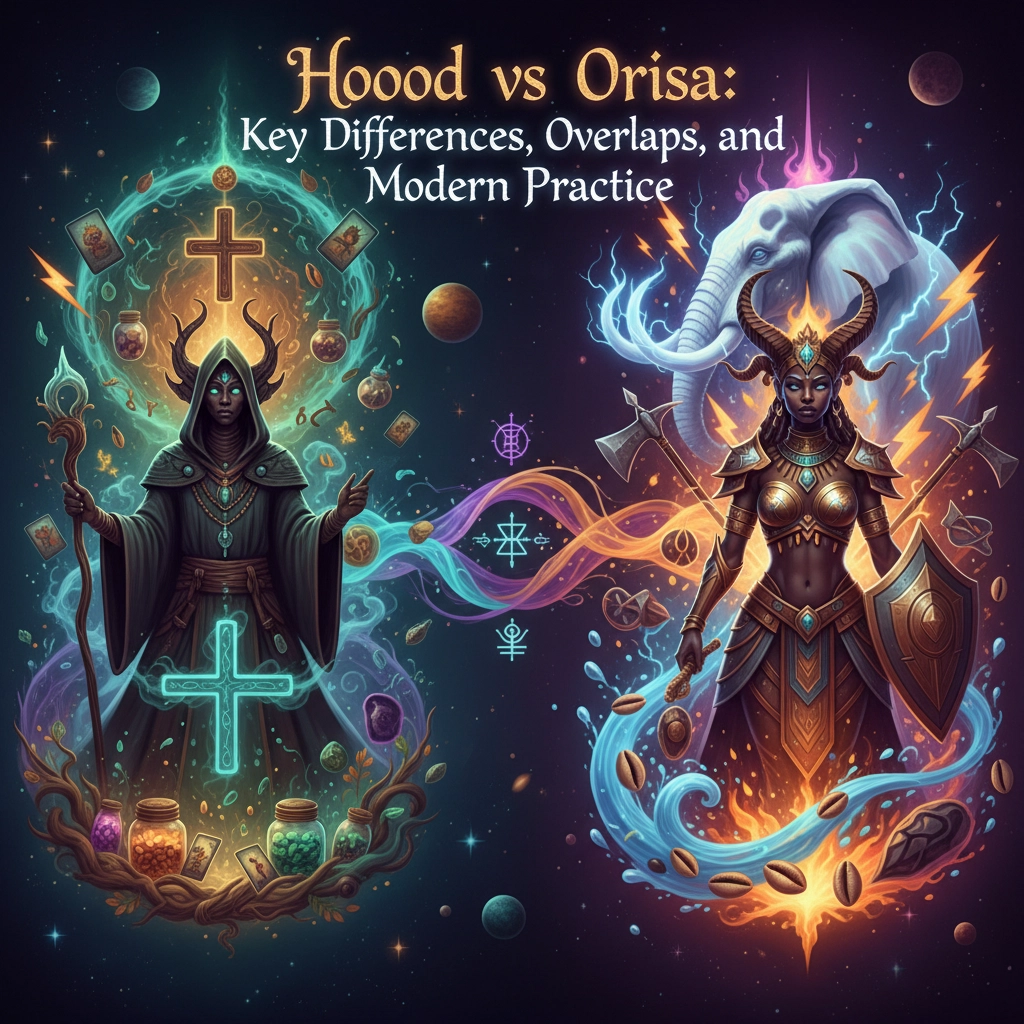
What if everything you thought you knew about African spiritual traditions in the Americas was actually a beautiful misconception?
Walk into any metaphysical shop today, and you'll hear people casually tossing around terms like "Hoodoo," "Orisa," "Santería," and "Voodoo" as if they're interchangeable spiritual currencies. But here's the thing that might surprise you: these aren't just different flavors of the same spiritual ice cream. They're entirely different desserts altogether.
The confusion isn't accidental. For centuries, these rich, complex traditions have been lumped together, watered down, and misunderstood. But understanding the real differences between Hoodoo and Orisa traditions isn't just academic curiosity, it's about honoring the distinct journeys, struggles, and wisdom of the communities who've kept these practices alive.
Let's shatter some myths and dive deep into what makes these spiritual paths both beautifully unique and surprisingly connected.
Hoodoo: The Art of Making Magic from Survival
Picture this: enslaved Africans in the American South, stripped of their homeland, their languages, even their names. But you can't strip away the soul. You can't erase the knowledge that flows through bloodlines like an underground river.
Hoodoo emerged from this crucible of survival. It's not a religion, it's something far more practical and immediate. Hoodoo is folk magic, pure and simple. It's the art of working with what you have to get what you need.
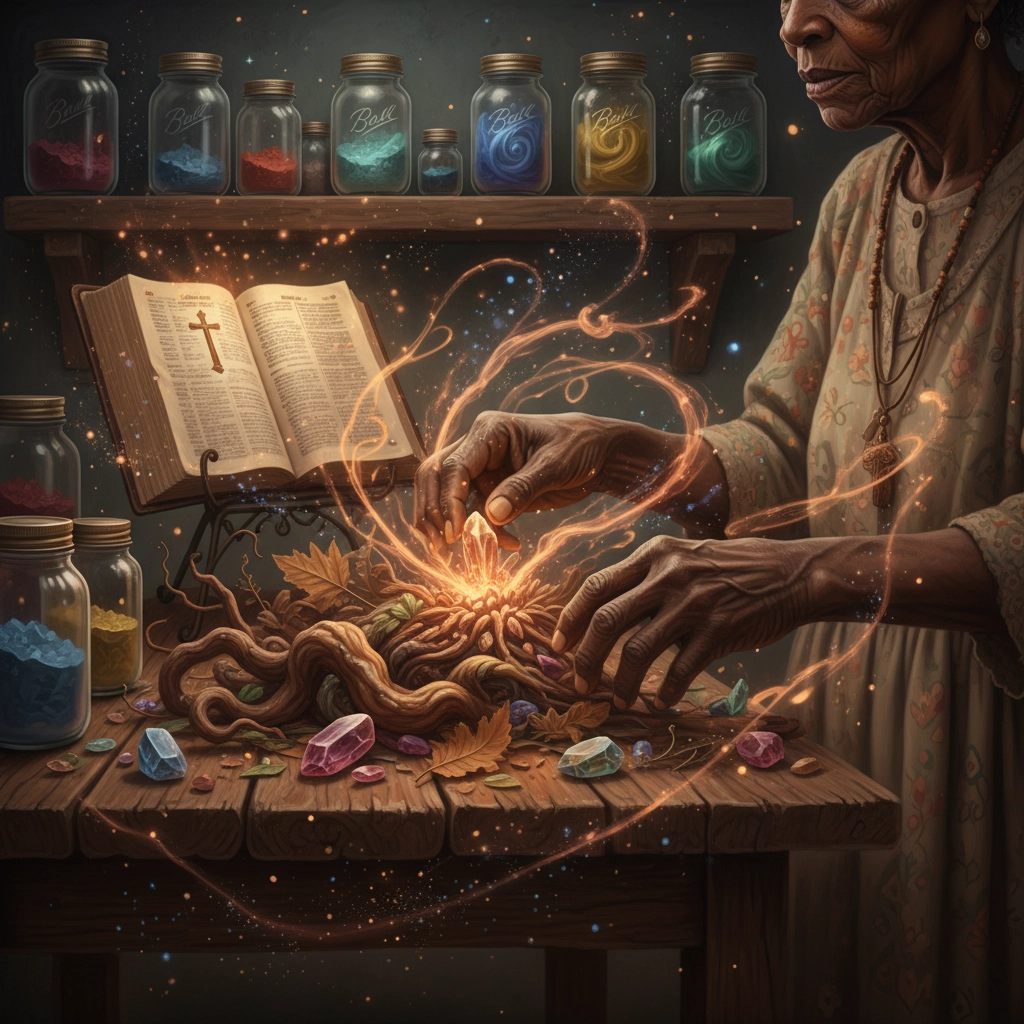
When your grandmother taught you to put salt around your doorway, when your great-uncle showed you which roots to carry for protection, when your family Bible became both spiritual text and magical tool, that's Hoodoo in action. This tradition took fragments of West and Central African spiritual practices and wove them together with Protestant Christianity, Native American herbalism, and whatever else worked.
The beauty of Hoodoo lies in its radical practicality. Need to find love? There's a working for that. Want protection from enemies? Here's your mojo bag recipe. Seeking justice when the courts won't help? Let's talk about crossing and uncrossing work.
Hoodoo practitioners, traditionally called rootworkers, conjure doctors, or simply "those who know", operate as spiritual entrepreneurs. They work alone or within small family circles, passing knowledge down through whispered instructions and hands-on demonstration. There's no formal hierarchy, no central organization, no required initiations. Just knowledge, results, and the unshakeable belief that the spiritual world responds to those who know how to ask properly.
Orisa Traditions: The Gods Who Never Left
Now let's travel to a different spiritual landscape entirely. Where Hoodoo is folk magic born from survival, Orisa traditions are living religions that maintained direct connections to their African origins.
The Orisa (also spelled Orisha) are divine beings: powerful, complex deities with their own personalities, preferences, and spheres of influence. Imagine a spiritual family tree where each branch represents a different aspect of divine consciousness: Oshun flowing with love and sweet waters, Shango crackling with lightning and justice, Ogun forging paths with iron will and determination.
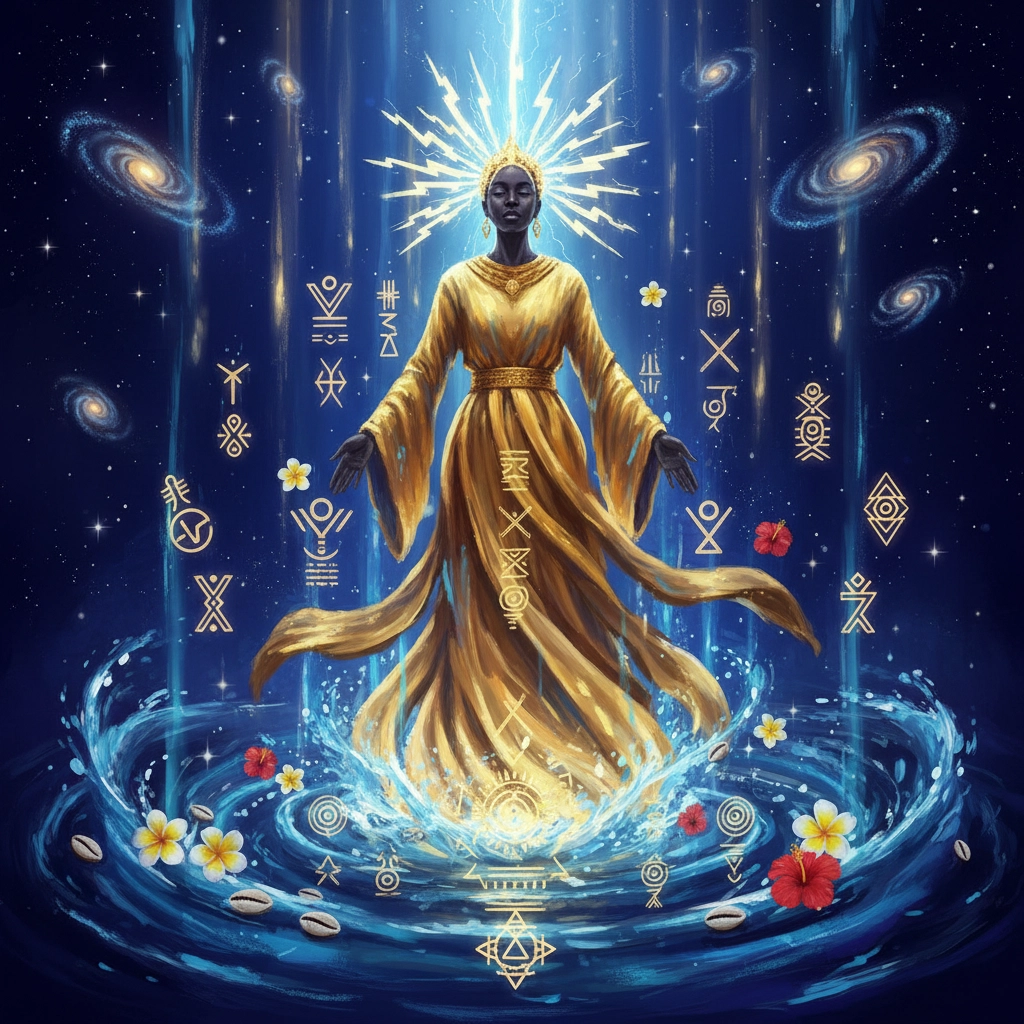
In Cuba, these traditions evolved into Santería (also called Lukumí), where Yoruba deities were syncretized with Catholic saints as a protective measure during colonial persecution. In Brazil, they became Candomblé. In Trinidad, they're practiced as Shango. Each variation maintains the core principle: direct worship and relationship with divine beings who actively participate in human affairs.
This isn't magic you do: it's religion you live. Orisa traditions involve elaborate initiation ceremonies, formal priesthoods, structured communities, and lifelong commitments to spiritual development. Practitioners don't just work with these forces; they're literally crowned and consecrated to serve specific deities for life.
The difference is like comparing a skilled craftsperson who uses tools to a devoted spouse who shares a lifetime relationship. Both are valid, both are powerful: but they're fundamentally different approaches to spiritual connection.
Where Christianity Meets Divinity: The Great Spiritual Divide
Here's where things get fascinating. Both traditions emerged from African spiritual roots, but they took radically different approaches to dealing with the dominant Christian culture of the Americas.
Hoodoo embraced Christianity wholesale. Many Hoodoo practitioners are devout Christians who see their magical work as perfectly compatible with their faith. They use Psalm 23 for protection, Biblical verses for healing, and petition saints directly: not as masks for other deities, but as the actual Christian saints themselves. The Bible becomes a powerful magical text, not just a religious one.
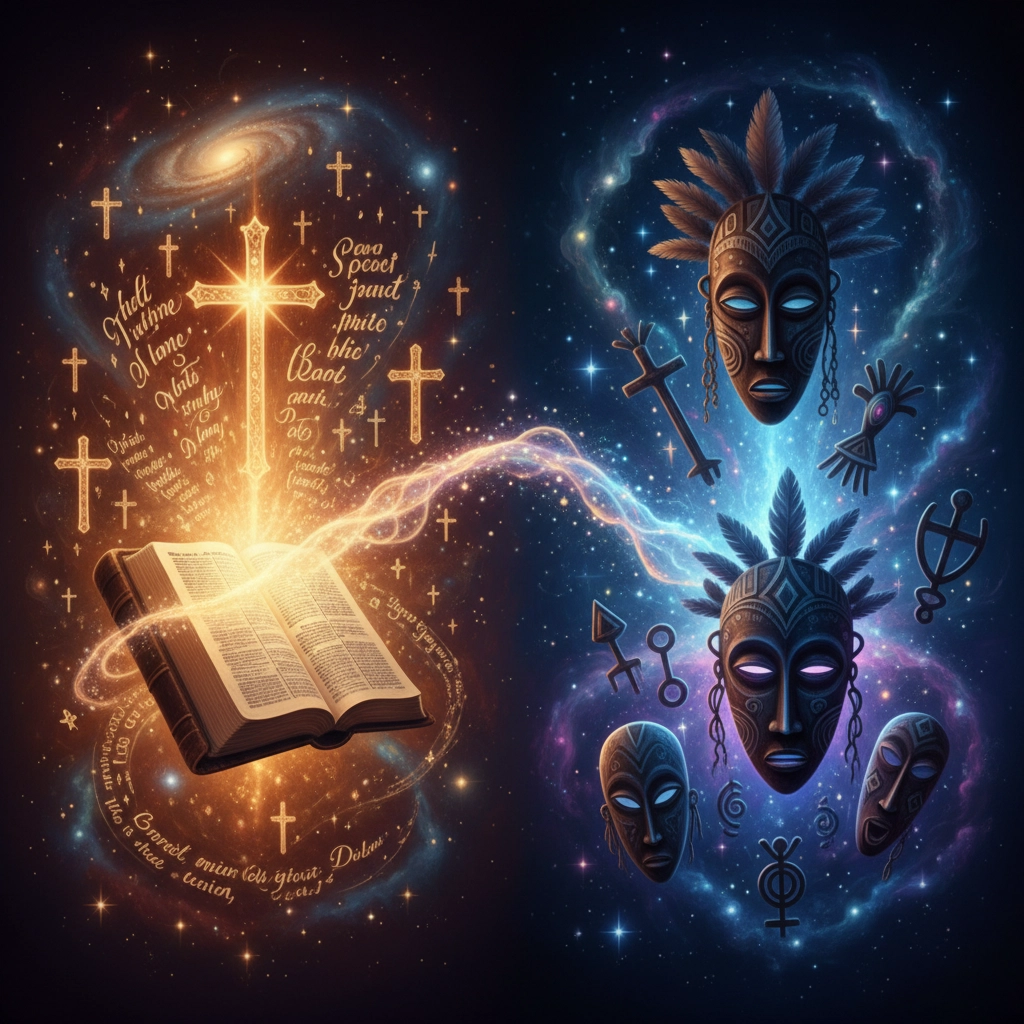
Orisa traditions took a different path. While they adopted Catholic imagery and saint names as protective camouflage, underneath the surface, the African deities remained fully intact. When an Orisa practitioner honors "Santa Barbara," they're really working with Shango, the god of thunder and justice. The saint imagery serves as a bridge, not a replacement.
This creates entirely different spiritual worldviews. Hoodoo operates within a Christian cosmology enhanced by African wisdom and Native American plant knowledge. Orisa traditions maintain African cosmologies that exist parallel to, rather than within, Christian frameworks.
The result? A Hoodoo practitioner might pray to Jesus Christ for protection while carrying a mojo bag filled with roots for luck. An Orisa devotee might attend Catholic mass on Sunday and drum for Yemoja on Saturday night, understanding these as complementary but distinct spiritual activities.
Community vs. Independence: How Spiritual Knowledge Flows
Walk into a Hoodoo practitioner's workspace, and you're likely entering someone's private domain. Knowledge passes from grandparent to grandchild, mentor to student, practitioner to client. It's intimate, personal, often secretive. The most powerful workings might be known by only a handful of people in an entire region.
Step into an Orisa community, and you're entering a spiritual family with formal structures, recognized hierarchies, and collective ceremonies. Initiations mark clear stages of development. Elders hold specific titles and responsibilities. The community supports and guides each member's spiritual journey through structured mentorship and group activities.
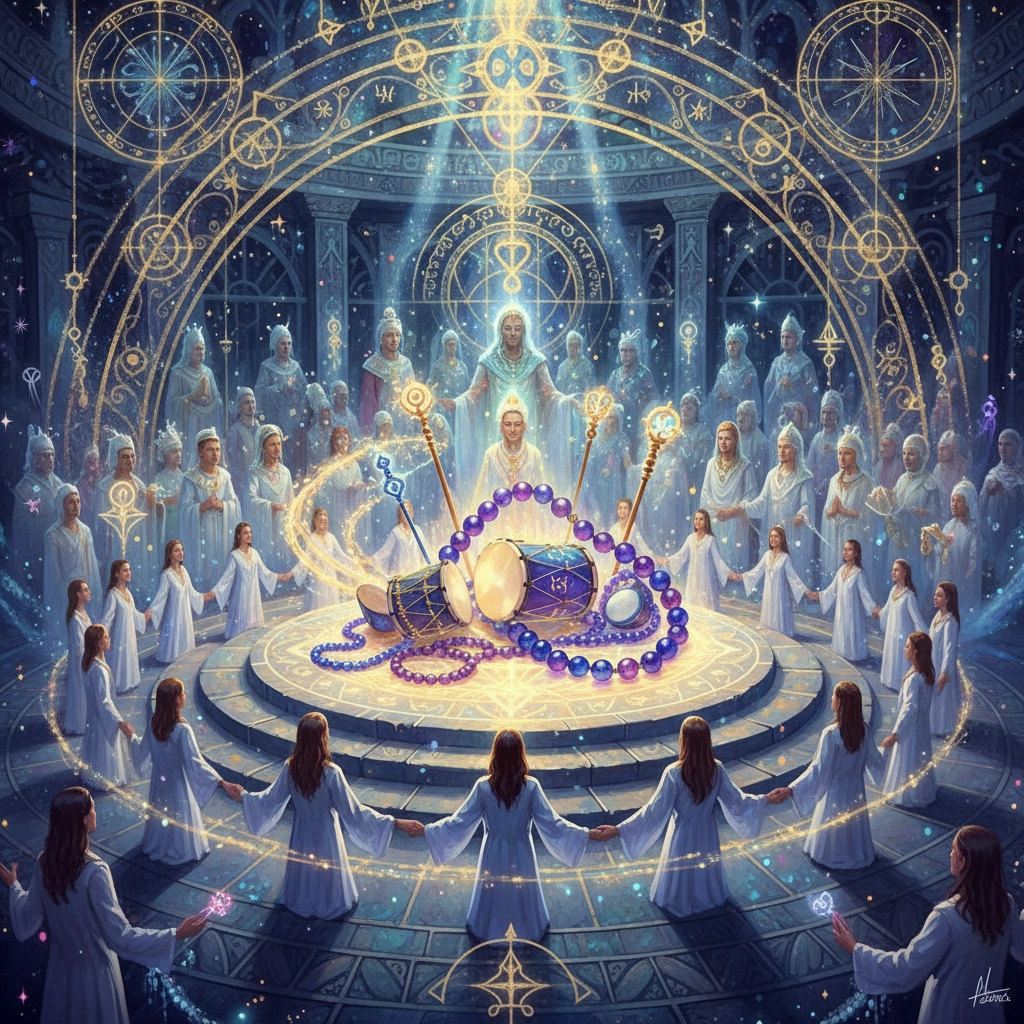
Both approaches have profound strengths. Hoodoo's individualistic nature allows for tremendous creativity and adaptation. Each practitioner develops their own unique style based on their family traditions, local resources, and personal spiritual connections. There's freedom to experiment, innovate, and personalize.
Orisa traditions offer deep community support, structured learning, and the preservation of complex ritual knowledge that requires multiple participants. The formal structure ensures that essential practices don't get lost or watered down over generations.
Modern Intersections: When Paths Cross in Beautiful Ways
Here's what's happening today that's absolutely revolutionary: practitioners from both traditions are finding ways to honor and learn from each other without appropriation or confusion.
Modern Hoodoo workers are rediscovering African spiritual technologies that can enhance their practice while maintaining their Christian foundation. Orisa devotees are incorporating folk magic techniques that don't conflict with their religious obligations. Both traditions are reclaiming their authentic histories from centuries of misrepresentation.
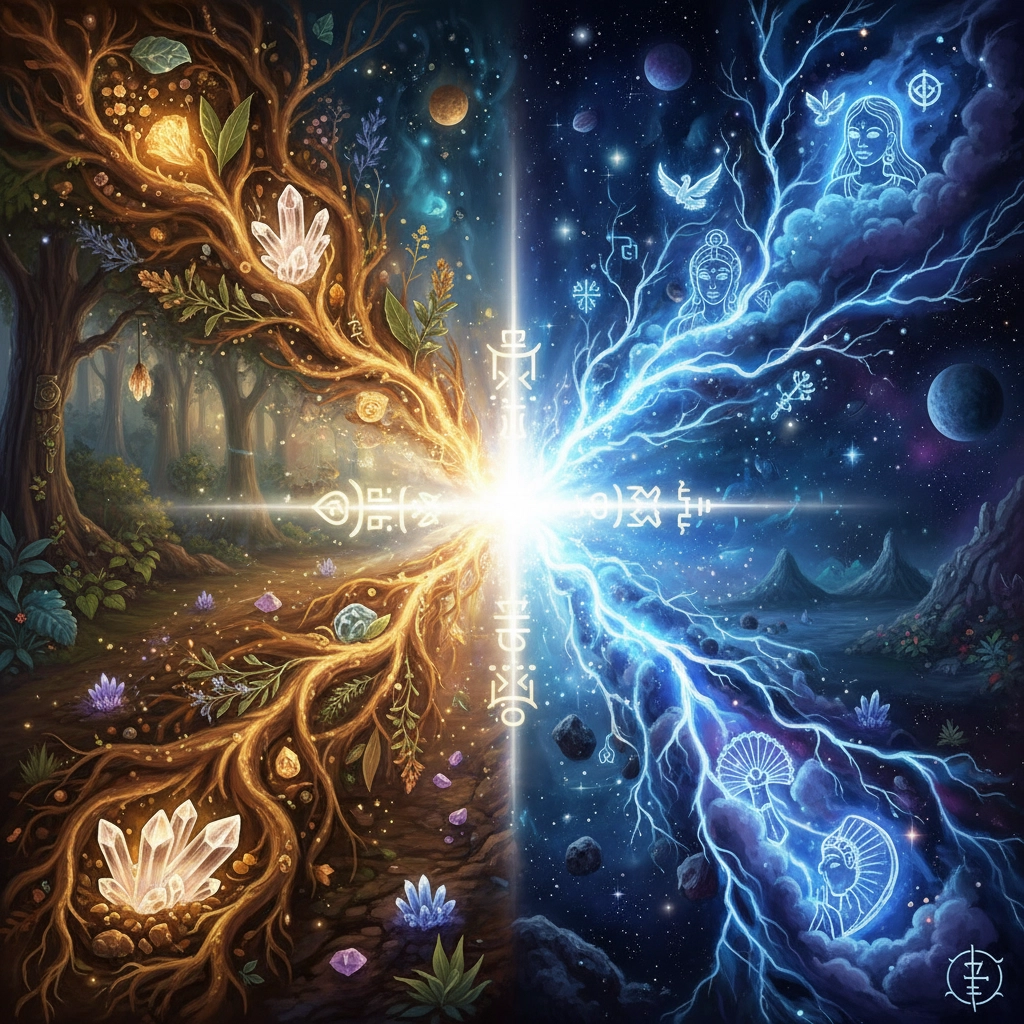
The key difference that's emerging isn't about superiority: it's about purpose and calling. Some people are drawn to the practical, results-oriented approach of Hoodoo. Others feel called to the deep religious commitment of Orisa worship. Many find ways to honor both without confusion or conflict.
What we're witnessing is a beautiful maturation of understanding. Where once these traditions were lumped together or pitted against each other, now they're being recognized as distinct but complementary approaches to African-derived spirituality in the Americas.
The future isn't about choosing sides: it's about understanding roots, honoring differences, and building bridges of respect and mutual learning.
The Living Legacy: Where Wisdom Flows Forward
Both Hoodoo and Orisa traditions represent something profound: the unbreakable connection between people and their spiritual heritage. Whether expressed through a conjure bag carried in a pocket or through elaborate ceremonies honoring divine beings, these practices embody the resilience, creativity, and deep wisdom of African peoples who refused to let their spiritual fire be extinguished.
The differences between these traditions aren't obstacles: they're gifts. They show us multiple ways to maintain spiritual connection, community, and power in a world that often tries to diminish all three.
Whether you're drawn to the practical magic of Hoodoo, the deep religious commitment of Orisa worship, or simply seeking to understand these beautiful traditions with greater clarity and respect, remember this: each path offers its own form of liberation, its own way of connecting with the divine, and its own contribution to the ongoing story of African spiritual survival and triumph.
The ancestors who created these traditions didn't just survive: they thrived, adapted, and passed down wisdom that continues to transform lives today. That's not just history. That's living proof that the human spirit, connected to its roots and expressed through authentic practice, is absolutely unstoppable.

